
Balaton
© Gianluca AbblasioThe Hungarian Sea
This is a visual investigation about contemporary Hungary, an ongoing project I started in summer 2018 in the lake Balaton area.Lake Balaton, situated in Transdanubia, Hungary, is the largest lake of Central Europe. During the 1960s and 70s the lake was a major tourist destination for working-class Hungarians and people from the Eastern Bloc. In the nineties the lake was very popular among citizens from abroad.
There were many reasons for this, perhaps the most important one was that the Brandenburg Gate had been there for a long time: German families and friends who had been separated by the iron curtain could meet at the lake.
After the collapse of Communism the vacations at Balaton lost their fascination but now are back in vogue as never before. Its beauty attracts every social class and every age by showing me the complexity of the current Hungarian society and its reference models.
Based on statistical data, the permanent population of the Lake Balaton Region is 275,000 people. Slightly more than half of the population lives in towns. The population during the summer grows to around 500.000 people.
According to all people I have met and talked to, the last 5 years witnessed a boom in tourism.
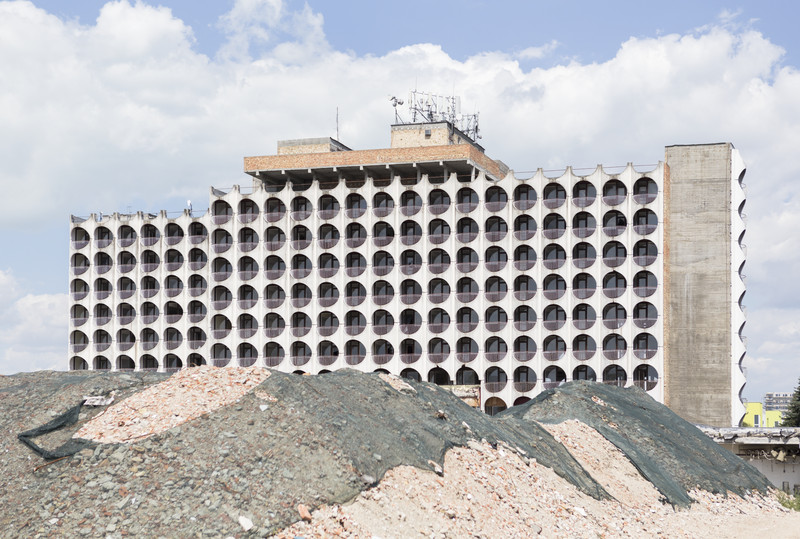
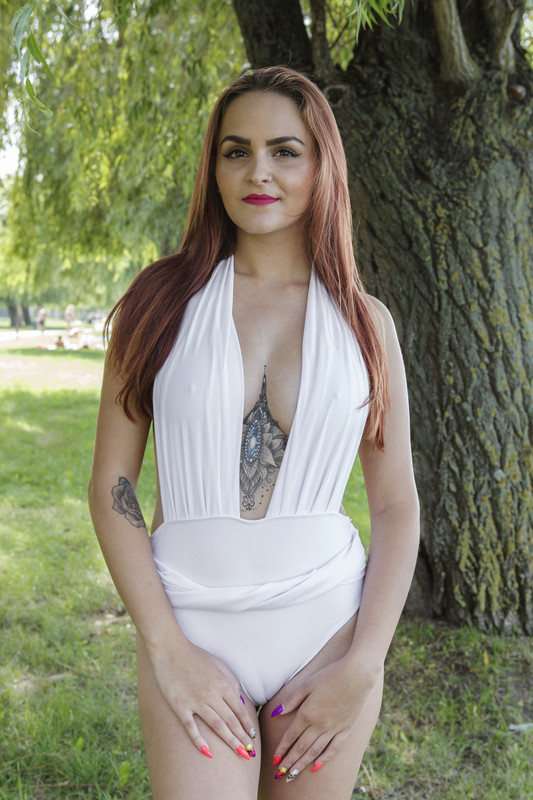
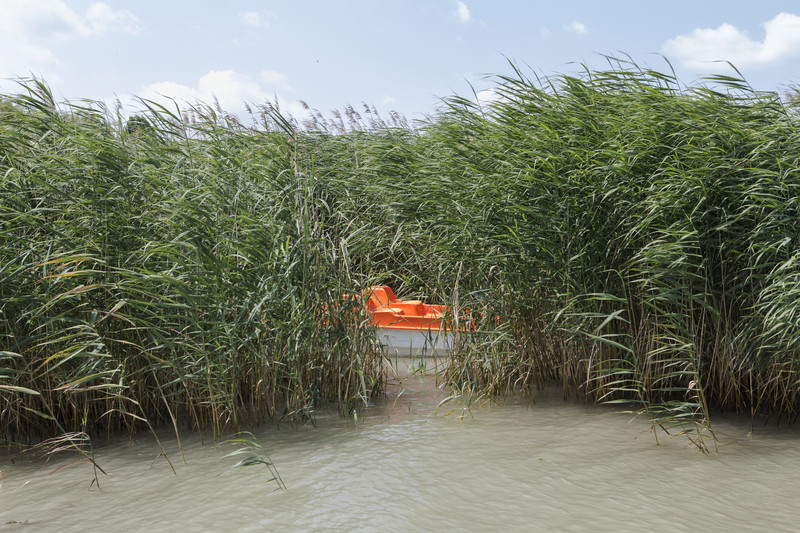
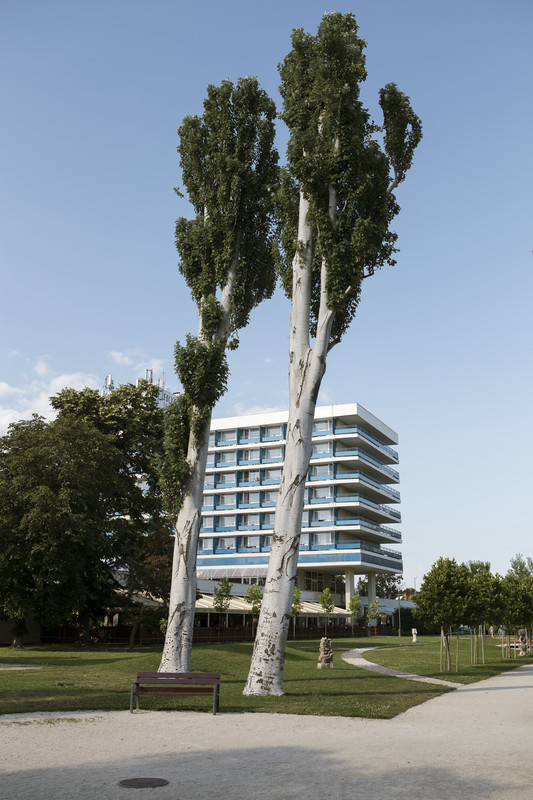
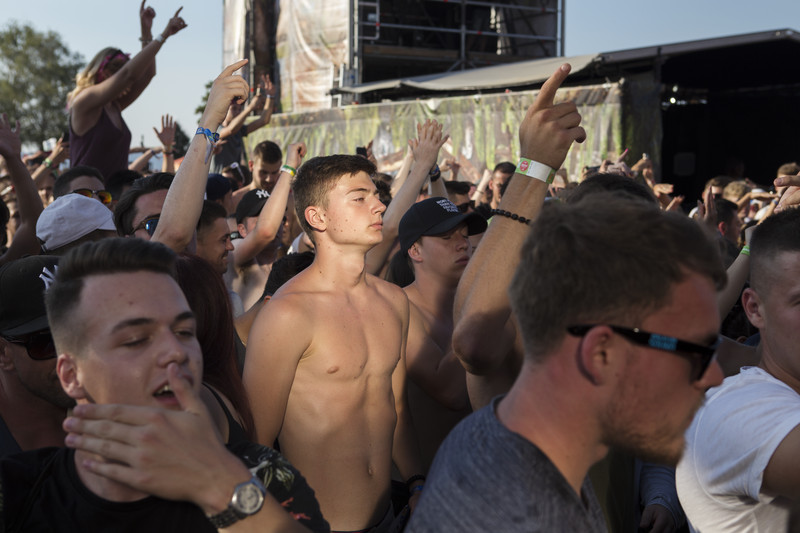

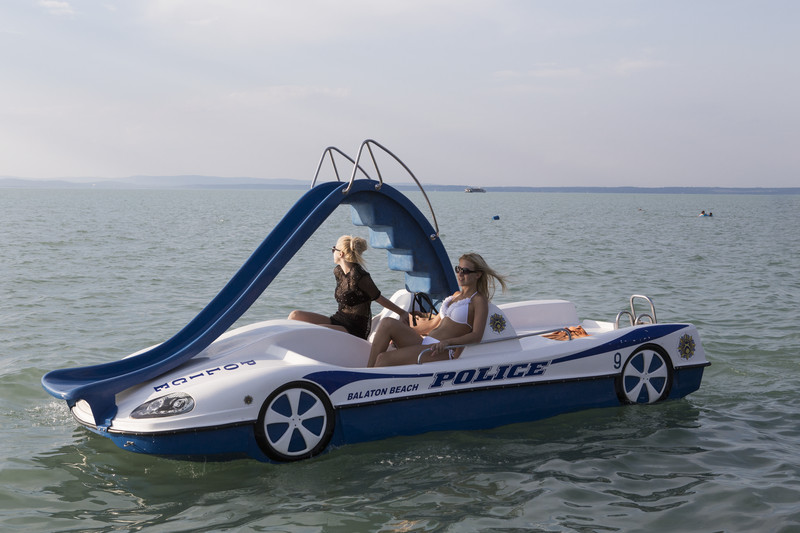
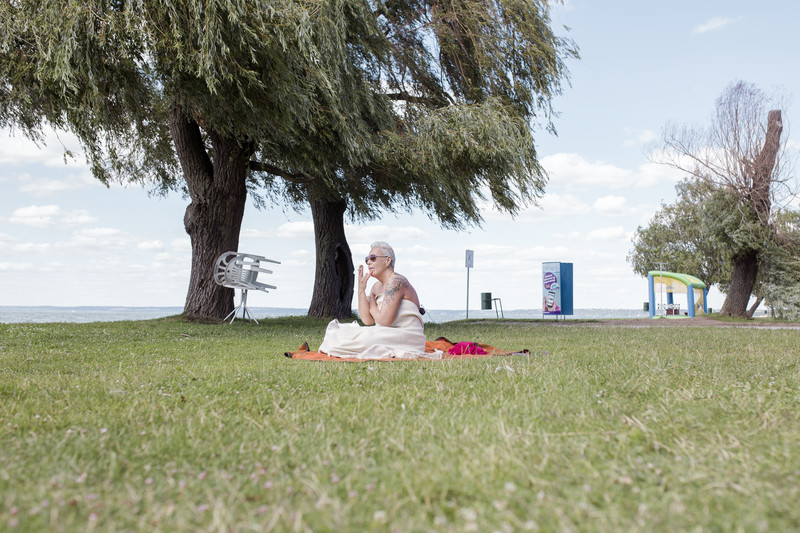

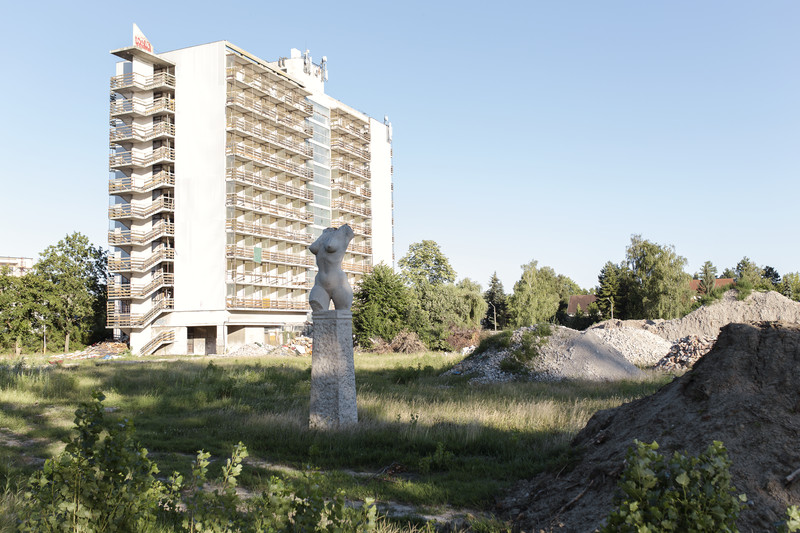

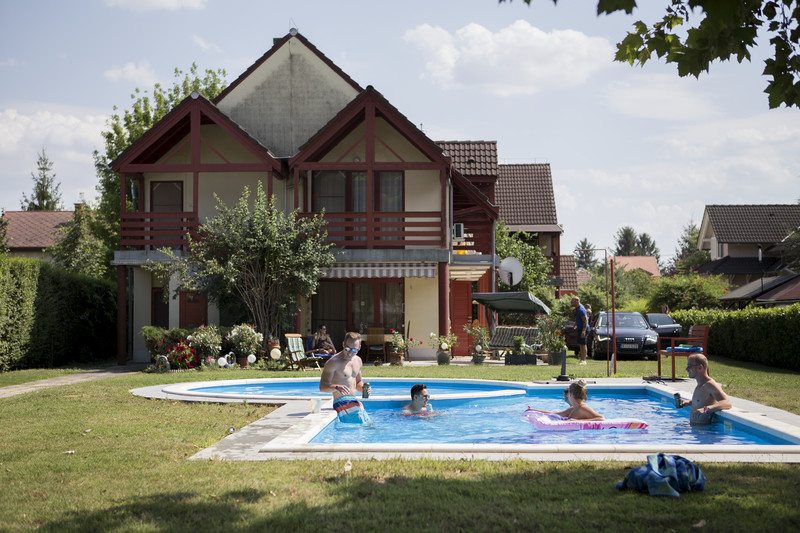
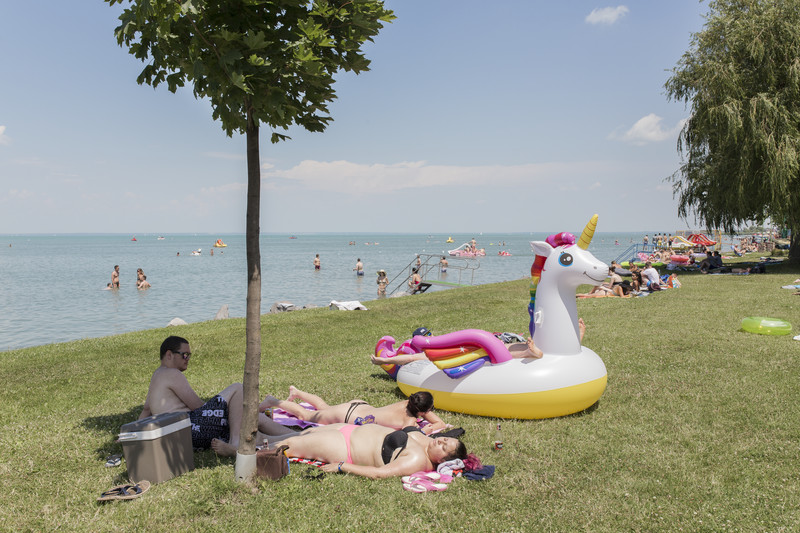
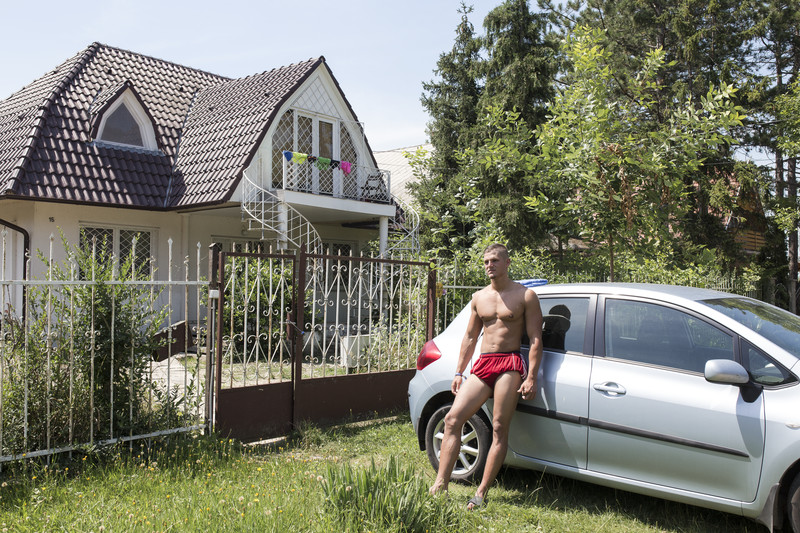
The composition of Lake Balaton's tourism flows has changed. It now attracts more and more Hungarians or people with a Magyar identity from Slovenia and Romania rather than from the rest of Europe.
The lake is changing from being a place for working class families to a luxury destination for tourists from the Upper class. Most of the people I talked to referred to an existing path towards a complete privatization of the lake, which implies also, for example, its gentrification or the loss of public beaches, which are expropriated by luxury hotels and resorts built in dozens during the past years.
The lake is an emblematic place to observe Hungary’s economic and political changes and its repercussions at a social and ideological level.
click to view the complete set of images in the archive

InstituteTM (collectively Institute Pictures, Institute Studios, & Institute Artist) is redefining how stories are produced and told in the 21st Century. Founded by Producer Frank Evers and Director/Visual Artist Lauren Greenfield, we are a multiplatform production company representing auteur-driven storytellers across commercials, photography, fine art, film, and technology — and producing original work across every screen that those stories live on. Our multiplatform expertise and established global relationships in entertainment, commercial, fine art, and journalism create unmatched reach and cross-pollination of creative work. A film commission informs a photography campaign; a fine art practice shapes a commercial; an editorial relationship opens a documentary. Few companies operate fluently across all of these worlds. Institute was built this way from the ground up.
Clients include: Apple, Google, Meta, Amazon, Microsoft/Xbox, LinkedIn, WhatsApp, Nike, Adidas, Lululemon, Under Armour, Dove, Maybelline, Clinique, Ulta Beauty, Aesop, Vaseline, LEGO, Balenciaga, Dior, Tom Ford, Kenzo, Supreme, Van Cleef & Arpels, Mercedes-Benz, Volvo, Toyota, McLaren, Pennzoil, American Express, Chase, U.S. Bank, Burger King, Chobani, Corona, Pepsi, Nespresso, Lavazza, Velveeta, Airbnb, Four Seasons, Marriott, Instacart, eBay, JCPenney, Levi's, Swatch, Bang & Olufsen, Bayer, Pfizer, Genentech, EA, Planned Parenthood, Ad Council, and the United Nations. Editorial and publishing partners include: The New York Times Magazine, The New Yorker, GQ, Esquire, TIME, Bloomberg, National Geographic, The Economist, Monocle, Le Monde, Stern, Sunday Times Magazine, Phaidon, Steidl, Abrams, Prestel, Chronicle, and Random House.
“Institute” is a registered trademark in the US, Europe, and United Kingdom. All rights reserved.