
Differences And Repetitions
© Alexandre Silberman
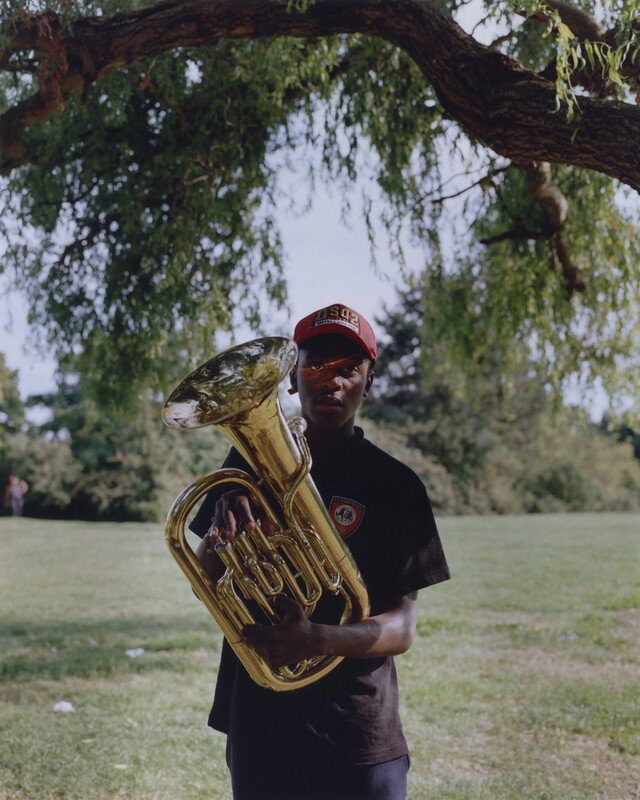
Aesthetics of disappearance and overlaying in Seine-Saint-Denis
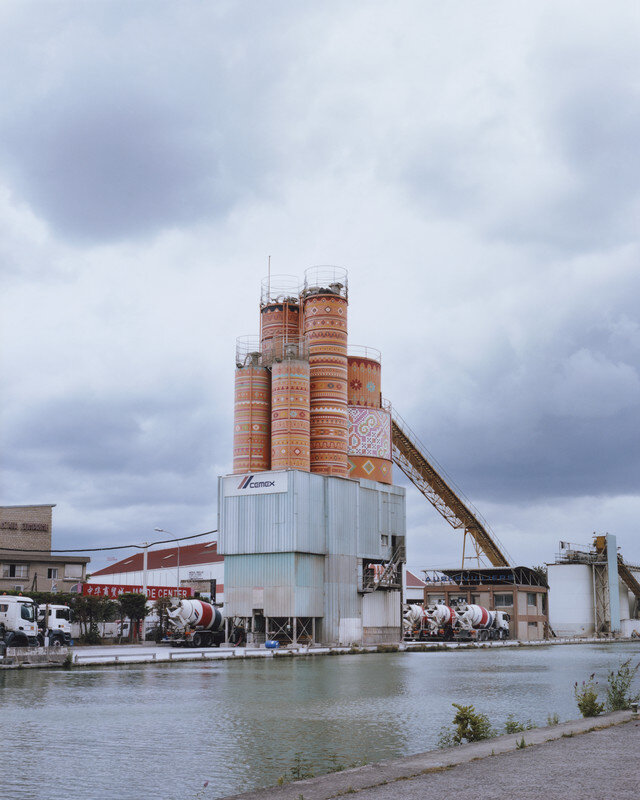
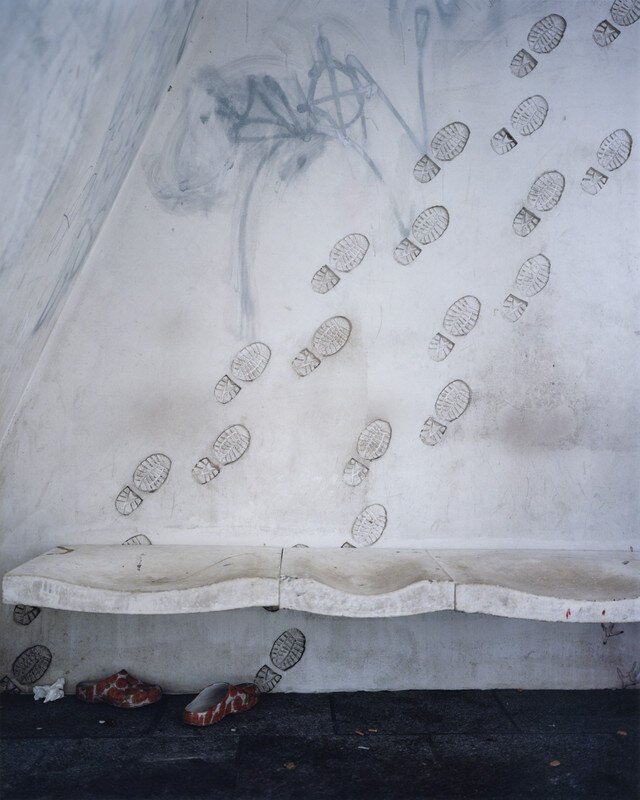
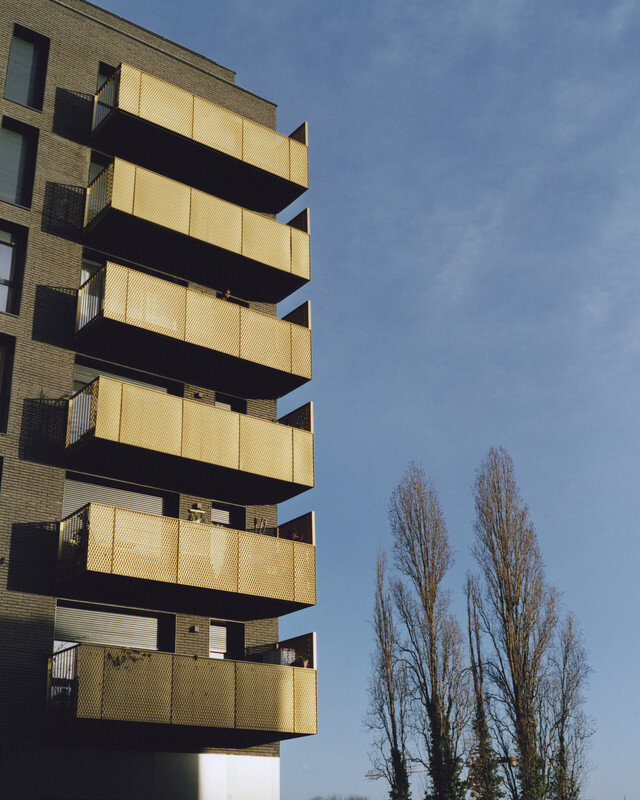
“My territories are beyond grasp, and not because they are imaginary, but on the contrary, because I am in the process of outlining them”
— Gilles Deleuze and Felix Guattari, A Thousand Plateaus
![]()
![]()
Established in 1968 for the purpose of fragmenting the Île-de-France’s “red belt,” the Seine-Saint- Denis department was formed in a way that simultaneously attached it to and isolated it from Paris. Ideologically split from the concomitant capital, it was also demographically, economically, and culturally so, all while still being “the periphery of.” In opposition to Paris’s immutable heritage, the area asserted its own identity through its heterogeneity, the plurality of its voices, and the radicalness of its mutations.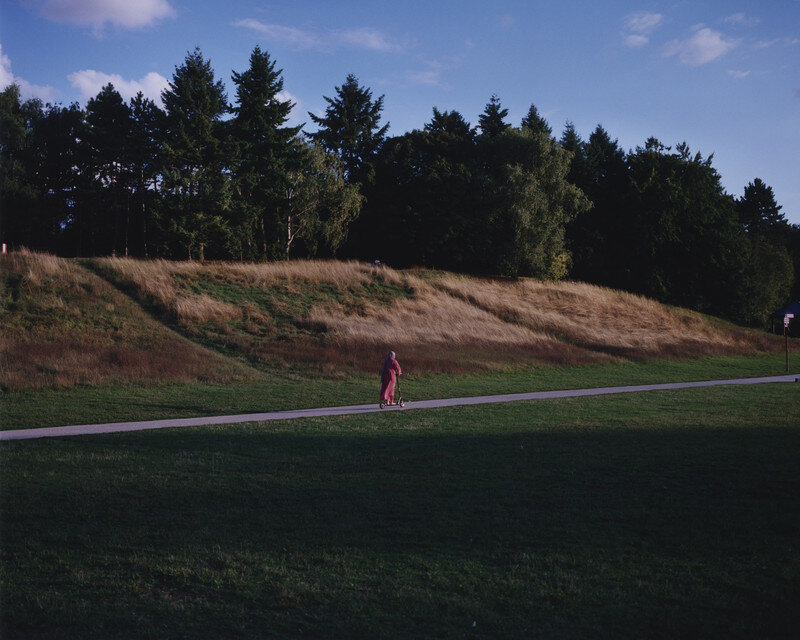
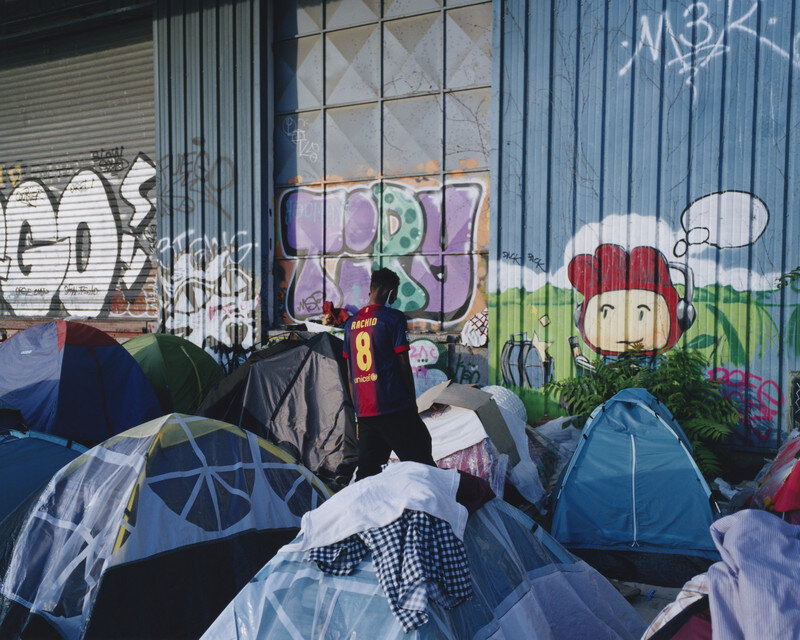
As the 2024 Olympic Games loom, of which it is one of the biggest beneficiaries, the Seine-Saint- Denis finds itself caught up in monumental building sites, whose scope contrasts with the reality on the ground.
Former vast agricultural plains that have become the most extensive industrial area in Europe, it is now suffering from its early urbanization.
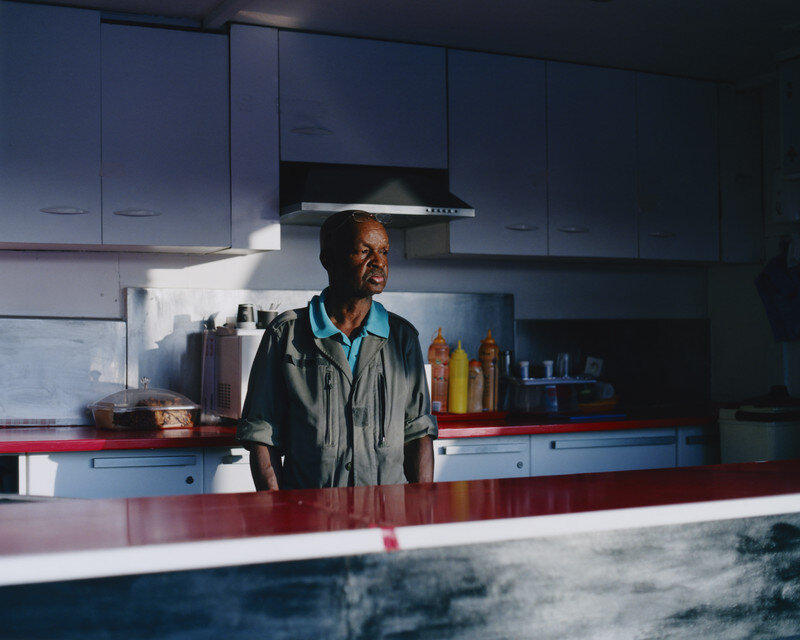
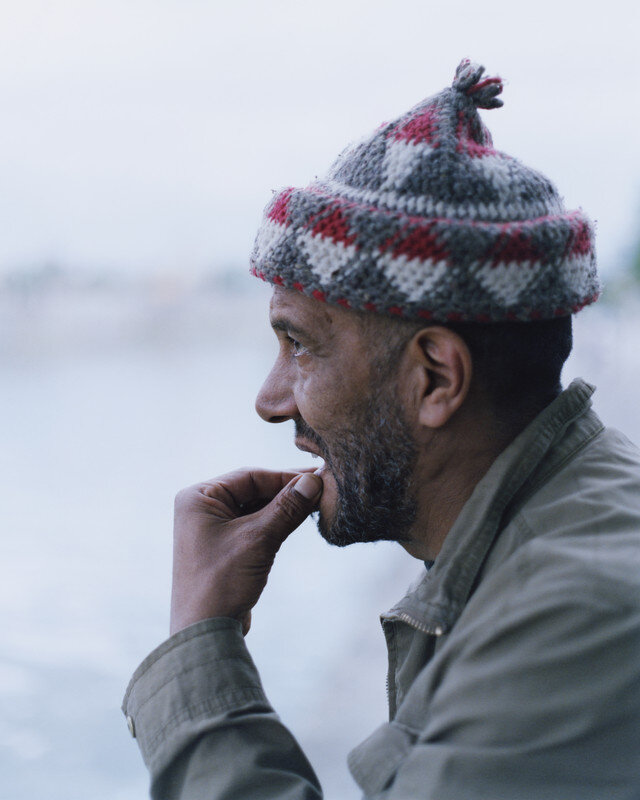
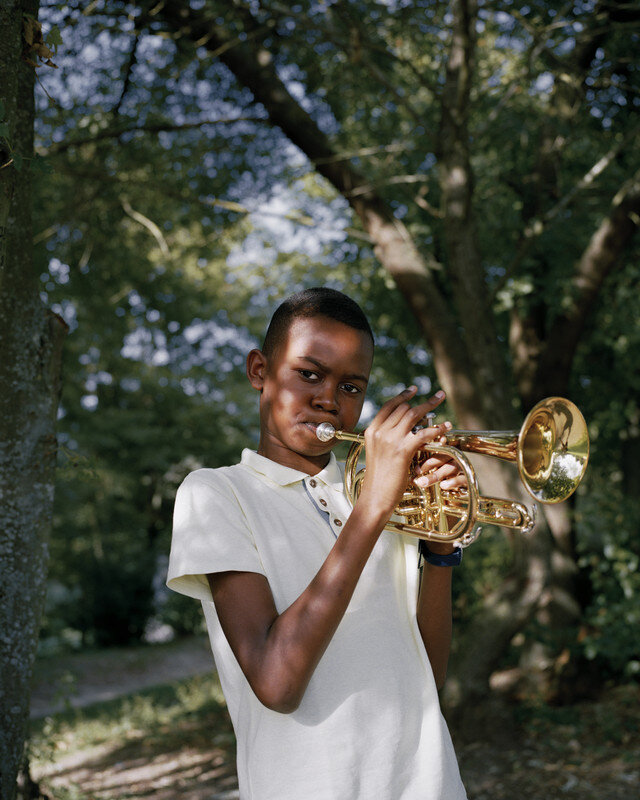
The most cosmopolitan department, but also the poorest in mainland France, it is also one of the youngest. Facing a prominent past and a difficult current situation, Seine-Saint-Denis is entering the 2020s with lofty ambitions for the future.
At a time when an army of cranes are working the ground just as much to build a shiny future as to bury an annoying present, it is an entire territory which makes its strata appear to our eyes. Agricultural and industrial, natural and urban, poor and opulent, all these asynchronous layers make up a complex landscape, both spatial and temporal, crossed by a constant balance of power. That opposing the morbid repetition of the identical, of the established order and to re- establish, and the vigorous repetition of the difference, that of the life that disappears and springs again.
Here, the latter has never seemed so beautiful.
But it has also, unfortunately, never seemed so fragile.
click to view the complete set in the archive

InstituteTM (collectively Institute Pictures, Institute Studios, & Institute Artist) is redefining how stories are produced and told in the 21st Century. Founded by Producer Frank Evers and Director/Visual Artist Lauren Greenfield, we are a multiplatform production company representing auteur-driven storytellers across commercials, photography, fine art, film, and technology — and producing original work across every screen that those stories live on. Our multiplatform expertise and established global relationships in entertainment, commercial, fine art, and journalism create unmatched reach and cross-pollination of creative work. A film commission informs a photography campaign; a fine art practice shapes a commercial; an editorial relationship opens a documentary. Few companies operate fluently across all of these worlds. Institute was built this way from the ground up.
Clients include: Apple, Google, Meta, Amazon, Microsoft/Xbox, LinkedIn, WhatsApp, Nike, Adidas, Lululemon, Under Armour, Dove, Maybelline, Clinique, Ulta Beauty, Aesop, Vaseline, LEGO, Balenciaga, Dior, Tom Ford, Kenzo, Supreme, Van Cleef & Arpels, Mercedes-Benz, Volvo, Toyota, McLaren, Pennzoil, American Express, Chase, U.S. Bank, Burger King, Chobani, Corona, Pepsi, Nespresso, Lavazza, Velveeta, Airbnb, Four Seasons, Marriott, Instacart, eBay, JCPenney, Levi's, Swatch, Bang & Olufsen, Bayer, Pfizer, Genentech, EA, Planned Parenthood, Ad Council, and the United Nations. Editorial and publishing partners include: The New York Times Magazine, The New Yorker, GQ, Esquire, TIME, Bloomberg, National Geographic, The Economist, Monocle, Le Monde, Stern, Sunday Times Magazine, Phaidon, Steidl, Abrams, Prestel, Chronicle, and Random House.
“Institute” is a registered trademark in the US, Europe, and United Kingdom. All rights reserved.