
Looking For Atlantic City
© Franck BohbotAt the height of the roaring twenties, Atlantic City was known as the ‘World’s Playground,’ a place as seedy as it was opulent, where Prohibition had no foothold and every vice imaginable could be indulged if you only knew where to look. The boardwalk was its main attraction from the start; initially built to prevent visitors from tracking sand all over the resort’s interiors, it became a promenade for wealthy visitors to socialize and flaunt the latest fashions, and by the 1900s, a carnivalesque site of weird and wonderful entertainment, hosting everything from Dr. Courney’s Premature Infant Exhibit and the popular Diving Horse attraction to the original Miss America pageant. Gaudy hotel resorts lined the boardwalk, attempting to outdo one another in pomp and glitter, and over the years accommodating figures as diverse as Ulysses S. Grant, Al Capone, and Marilyn Monroe, all of whom found their place amidst the madcap inner life of the thriving town.
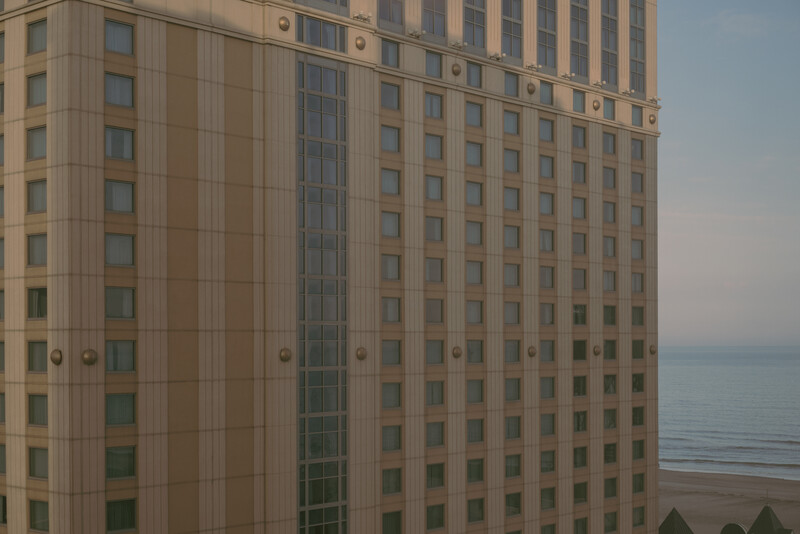

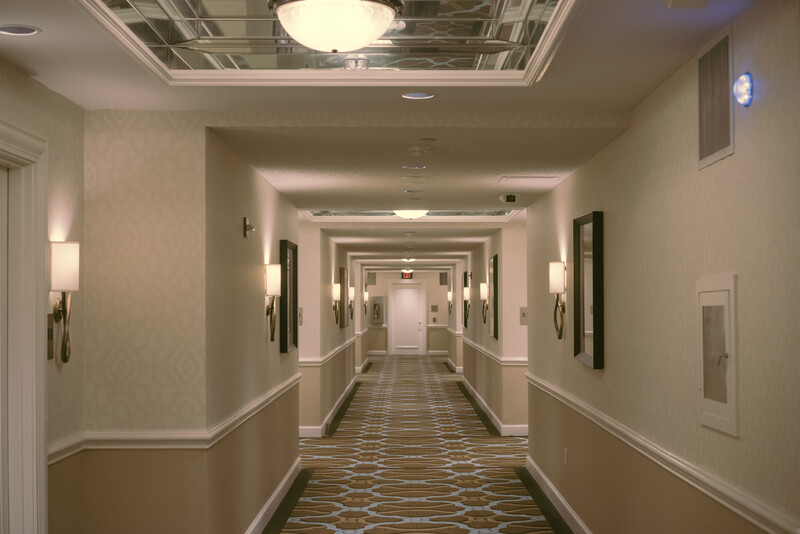
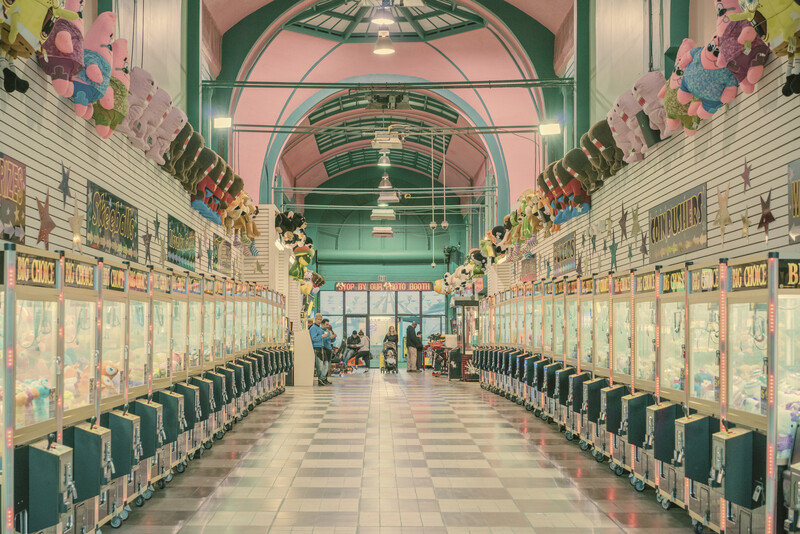
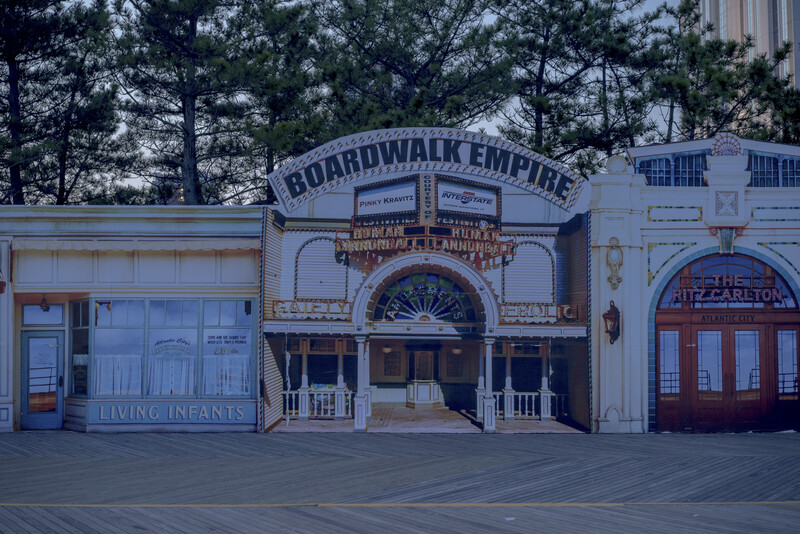
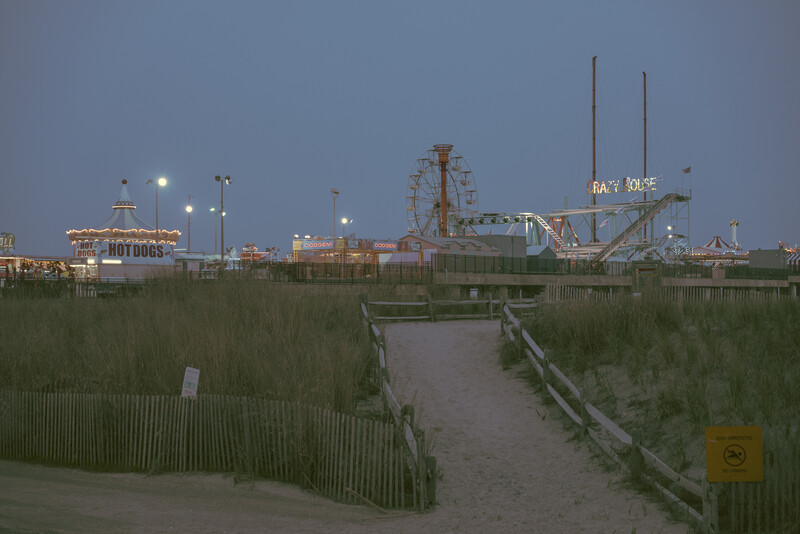

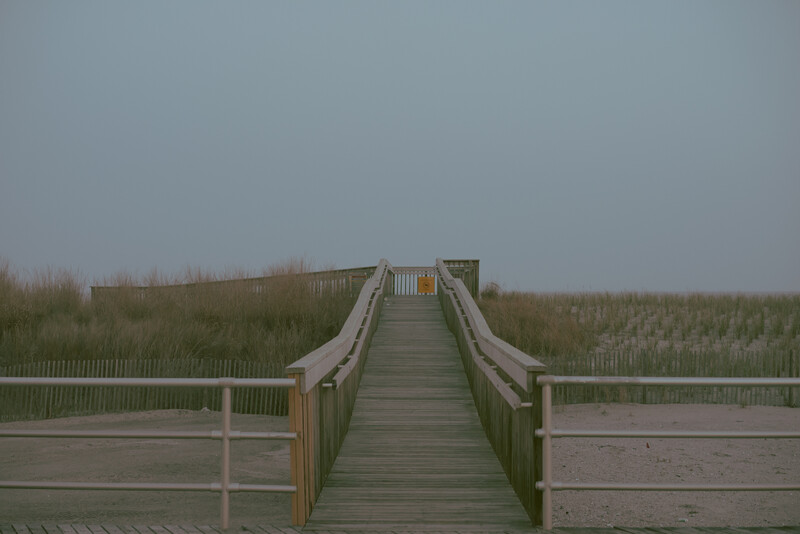


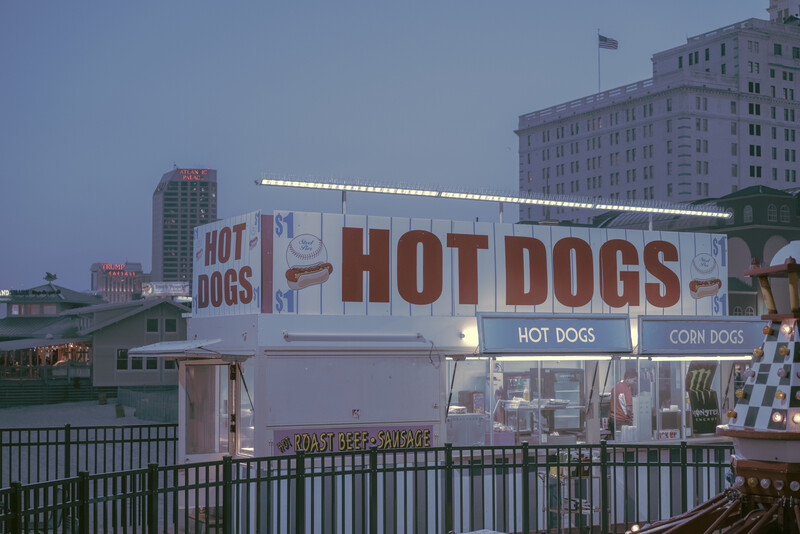
If, to this day, the resort continues to hang onto its reputation for being a place of lavish wayward decadence, it is due to its representation in modern forms of entertainment—as the geographical inspiration for the original Monopoly board game, and as the setting for the popular television series Boardwalk Empire. Here in Looking for Atlantic City, we are privy to the true ‘A.C.’ of today, a thinly populated place bleakly haunted by the ghosts of decades past, whose legendary, almost mythic history makes the present reality all the more disappointing. Here, then, is the resort that lost its footing in the ‘60s with the rise of commercial aviation and never managed to recover, even after the monumental introduction of casino culture in the late ‘70s; this is the Atlantic City that boasts an unemployment rate twice that of the state of New Jersey, a veritable beachside casino graveyard from which even its don, Donald Trump has tried to dissociate himself.

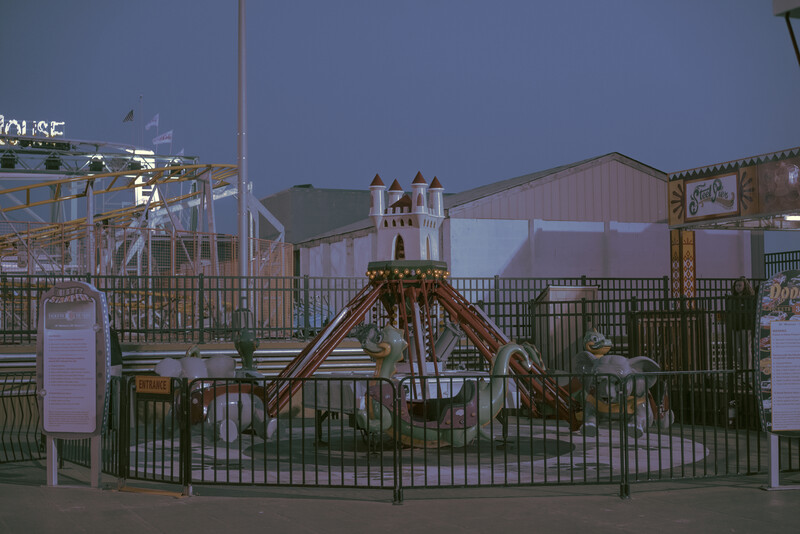

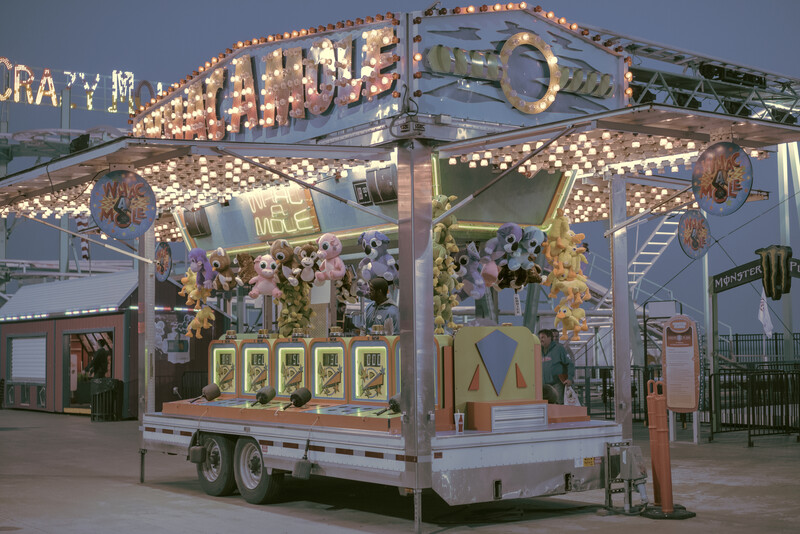
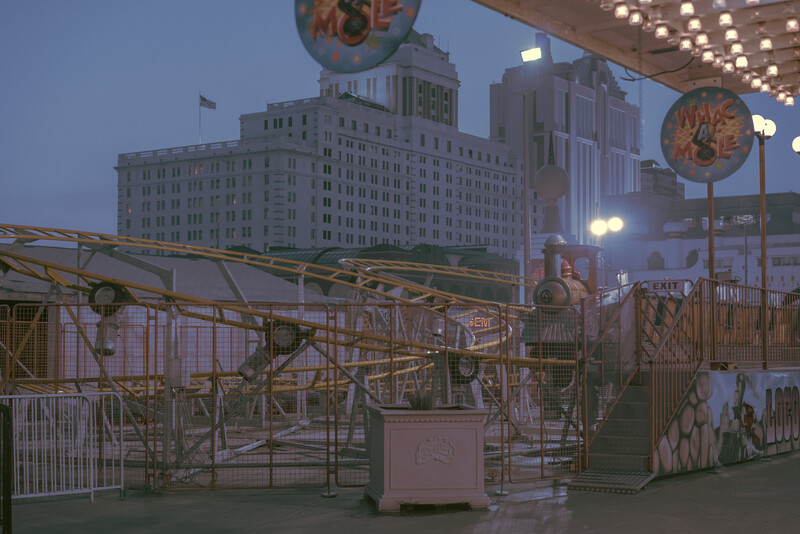
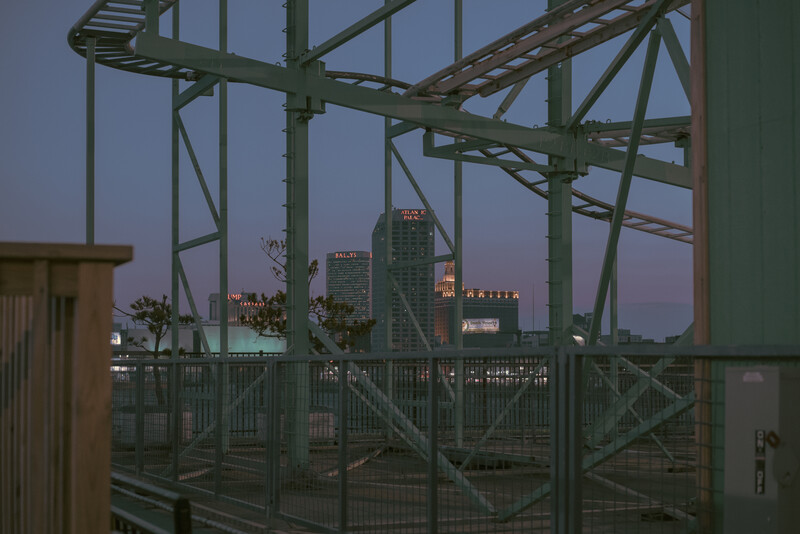
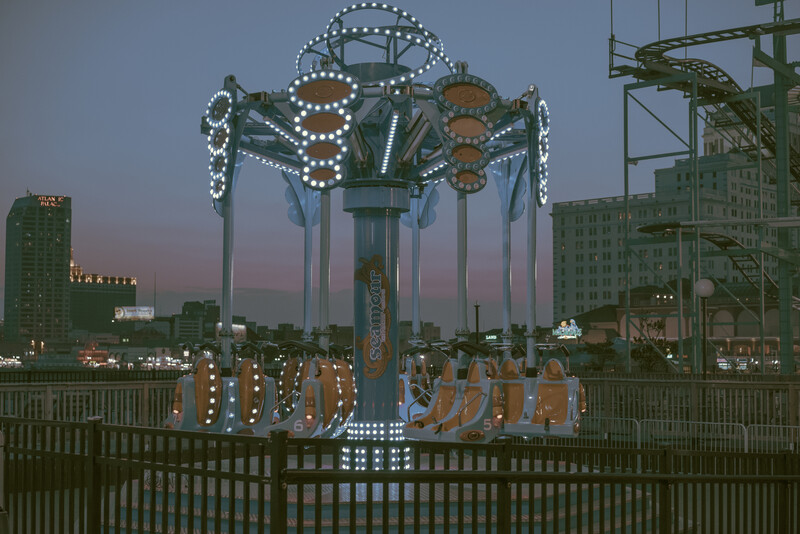
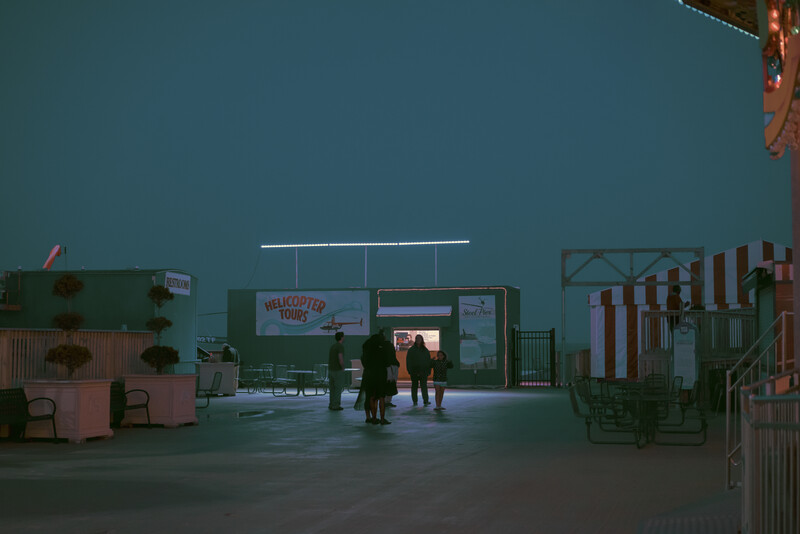

Shot during the passage from twilight to night, the series captures the shift from a washed-out cotton candy landscape to one rendered increasingly monstrous by the oncoming darkness, with melancholy emptiness giving way to a squalid grittiness wholly without charm. Advertising their wares and services to a meager, uninterested public, the glowing signage, flashy facades, and outmodedly kitsch amusement park rides feel like nostalgic echoes of a bygone era. For all the place’s infamous amorality and corruption, there is an air of careless Coney Island-style fun underlying its old aesthetic that the hand of time – and Trump – succeeded in displacing by narrowing the resort’s varied attractions to a single sordid form of entertainment; one that targeted not the rich elites of the North Eastern seaboard, but the down and out from local communities hoping to make a buck or two.

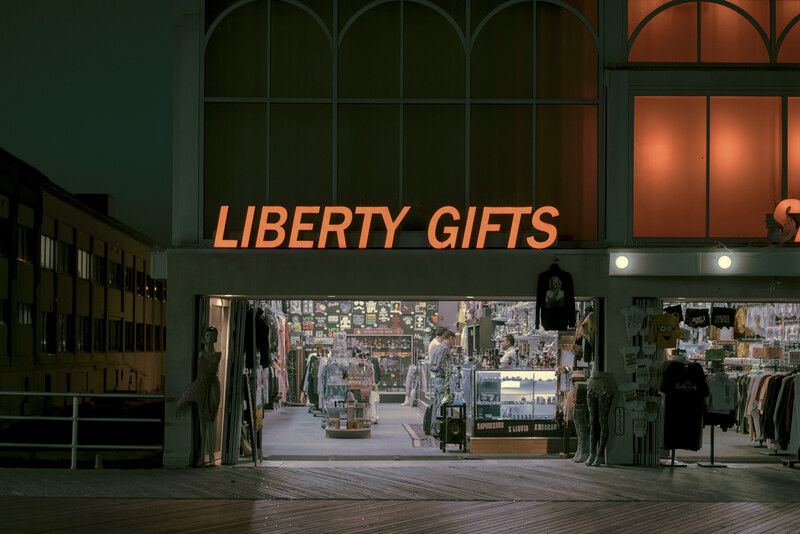


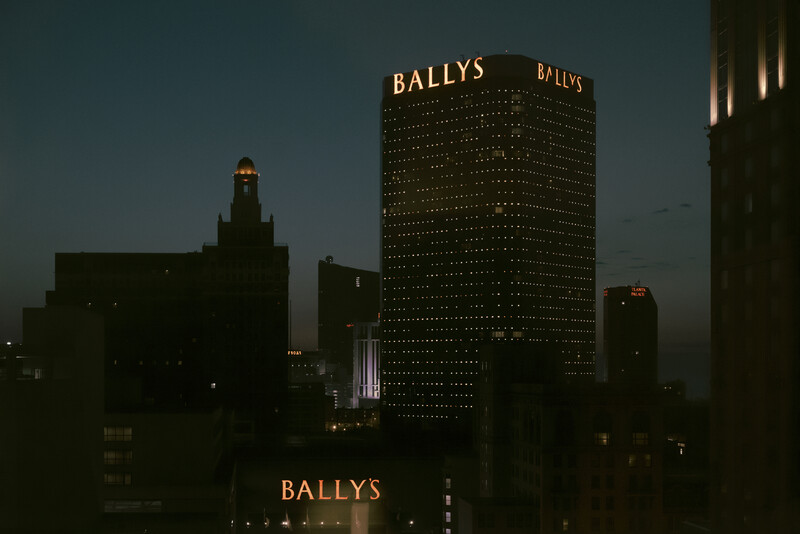
The hotel-casino resorts that remain stretch upward and outward, monotone and lifeless, either hanging on by a thread or among the growing ranks of those already permanently closed for business. A cardboard façade advertises the original ‘Boardwalk Empire’, its painted-on marquee spelling out GAIETY in what seems a cruel mockery of the word itself. COMING SOON! reads a sign slapped haphazardly onto the fence outside a bumper car ride, asserting a promise it surely cannot keep. Beneath all this, stretching out into the indifferent expanse of ocean, the heart and soul of the famous resort remains. Supporting the weight of this crumbling empire, the boardwalk to this day holds the title of longest wooden walkway in the world, fittingly bearing what is likely to be Atlantic City’s last ever superlative.
Text by Elizabeth Breiner
click to view the complete set of images in the archive

InstituteTM (collectively Institute Pictures, Institute Studios, & Institute Artist) is redefining how stories are produced and told in the 21st Century. Founded by Producer Frank Evers and Director/Visual Artist Lauren Greenfield, we are a multiplatform production company representing auteur-driven storytellers across commercials, photography, fine art, film, and technology — and producing original work across every screen that those stories live on. Our multiplatform expertise and established global relationships in entertainment, commercial, fine art, and journalism create unmatched reach and cross-pollination of creative work. A film commission informs a photography campaign; a fine art practice shapes a commercial; an editorial relationship opens a documentary. Few companies operate fluently across all of these worlds. Institute was built this way from the ground up.
Clients include: Apple, Google, Meta, Amazon, Microsoft/Xbox, LinkedIn, WhatsApp, Nike, Adidas, Lululemon, Under Armour, Dove, Maybelline, Clinique, Ulta Beauty, Aesop, Vaseline, LEGO, Balenciaga, Dior, Tom Ford, Kenzo, Supreme, Van Cleef & Arpels, Mercedes-Benz, Volvo, Toyota, McLaren, Pennzoil, American Express, Chase, U.S. Bank, Burger King, Chobani, Corona, Pepsi, Nespresso, Lavazza, Velveeta, Airbnb, Four Seasons, Marriott, Instacart, eBay, JCPenney, Levi's, Swatch, Bang & Olufsen, Bayer, Pfizer, Genentech, EA, Planned Parenthood, Ad Council, and the United Nations. Editorial and publishing partners include: The New York Times Magazine, The New Yorker, GQ, Esquire, TIME, Bloomberg, National Geographic, The Economist, Monocle, Le Monde, Stern, Sunday Times Magazine, Phaidon, Steidl, Abrams, Prestel, Chronicle, and Random House.
“Institute” is a registered trademark in the US, Europe, and United Kingdom. All rights reserved.