
Plethora
© Julio BittencourtIntroduction by Paulo Kassab Jr.
According to Hanna Arendt, modern society, as a society of labor, annihilates every possibility of acting, degrading humans to animal laborians working animals. The modern individual seems so immersed in the life process current that dominates the generation, that the only active individual decision is how to renounce individuality in order to function better.
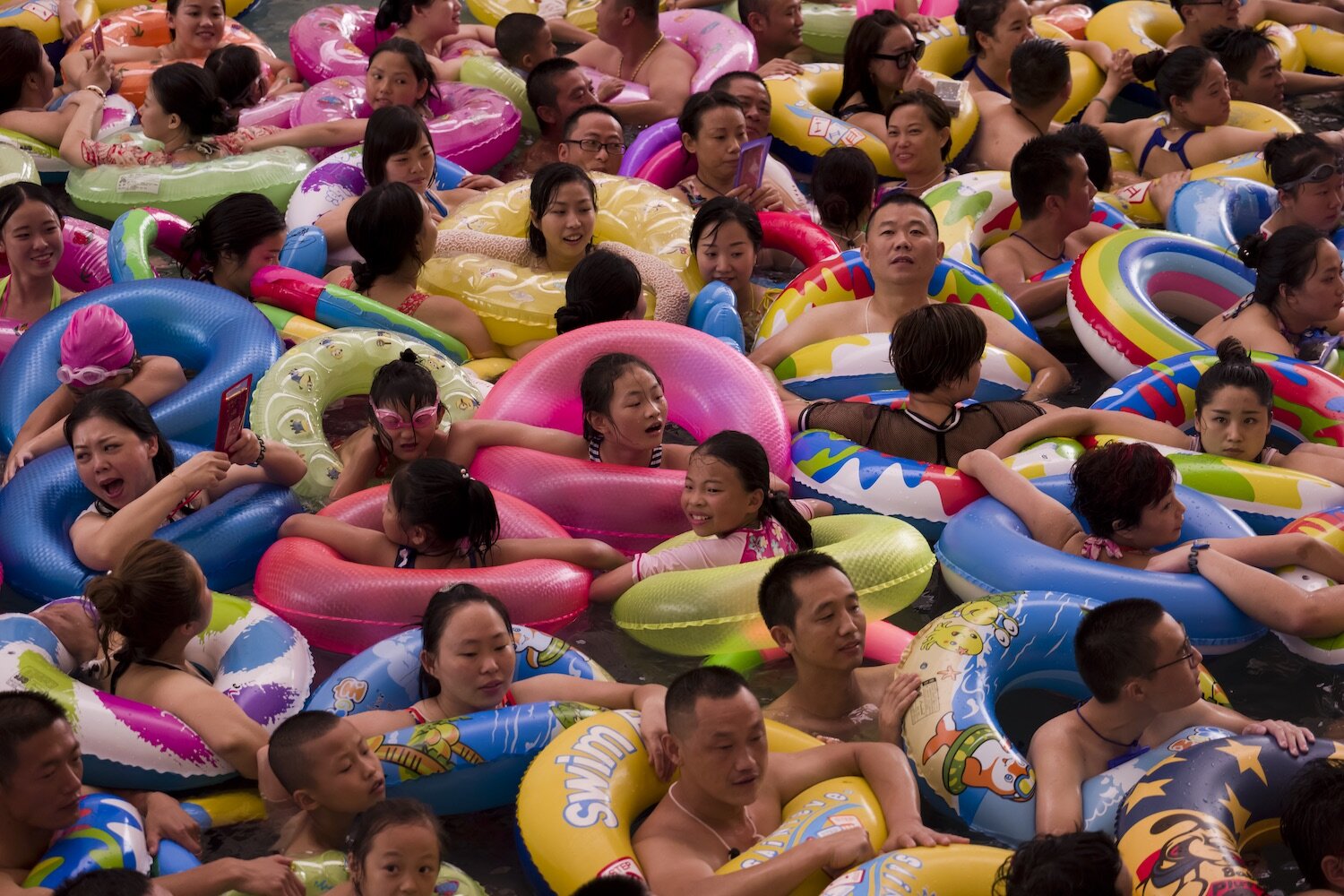
What are the implications of an increasingly crowded civilization, surrounded by an excess of information and stimuli? Continuously expanding, humanity appears cloistered in itself, either by mandatory work, fleeting entertainment or simply by routine. Development through factors such as GDP growth, personal income, industrialization, technological advancement or social modernization, has led us to the exponential increase of the world population, yet not emerging as a guarantee of individual liberties expansion.
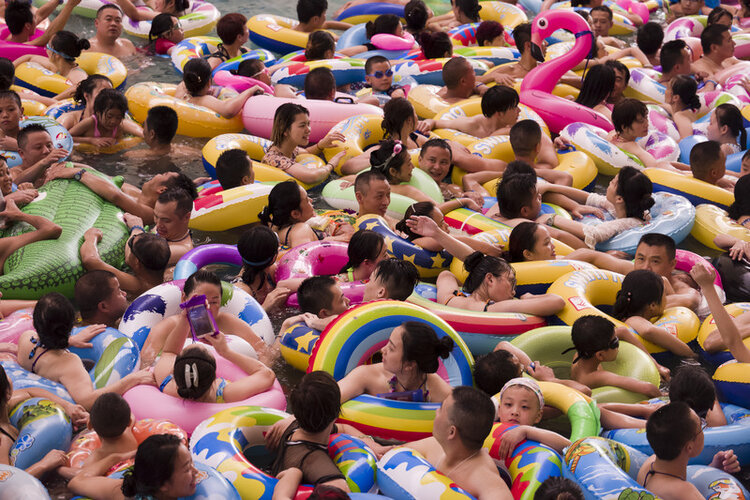
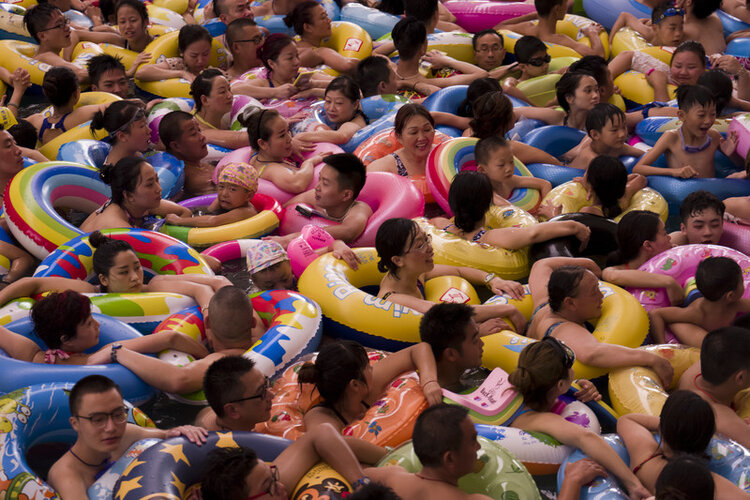
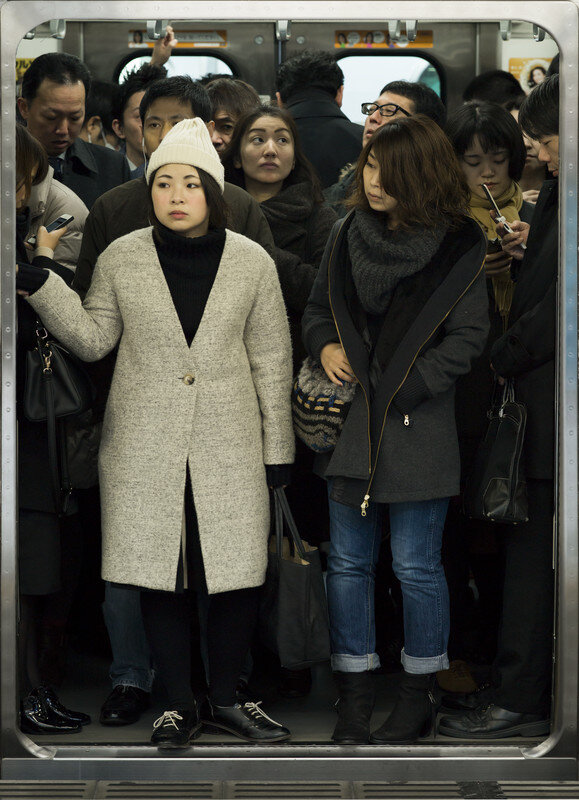
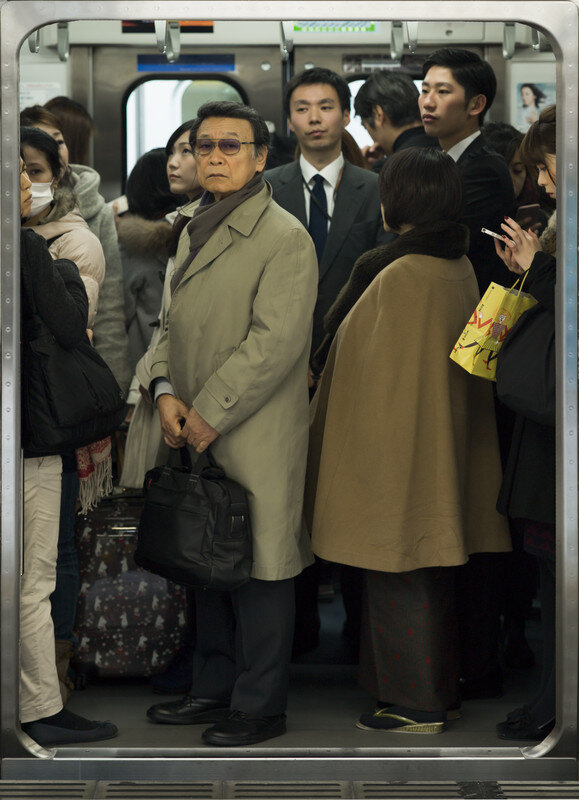
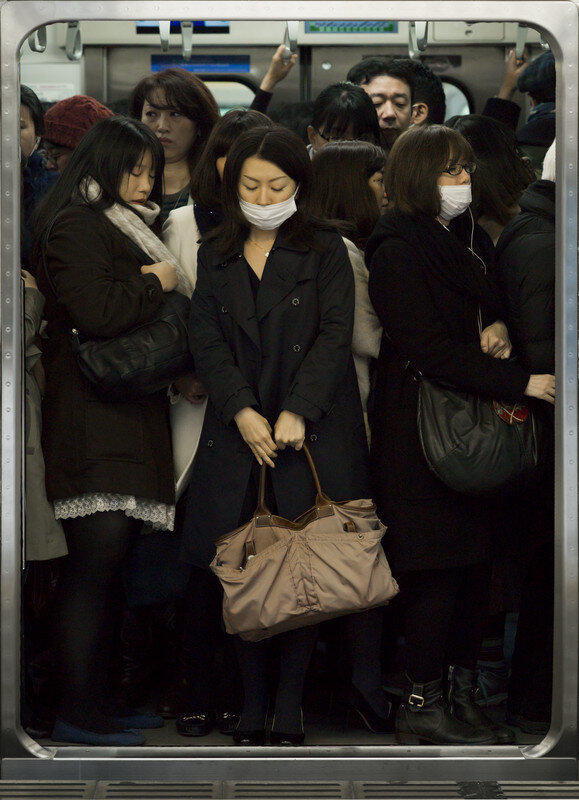
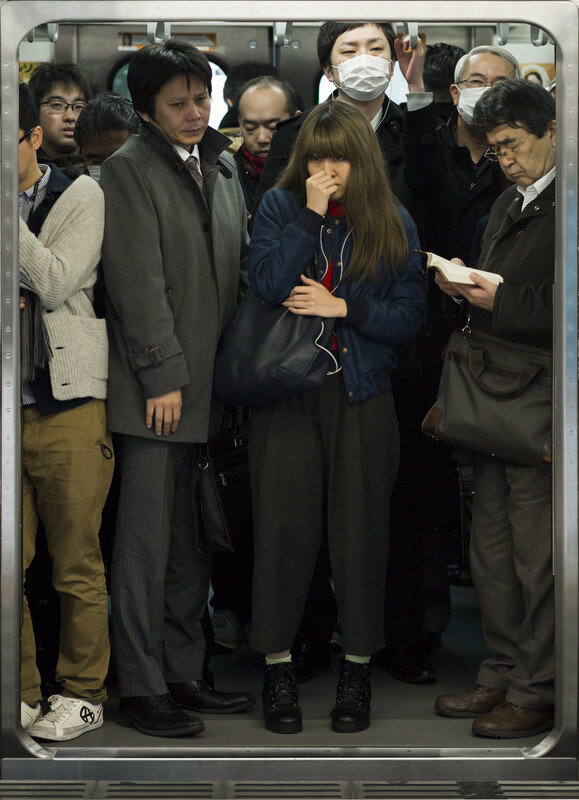
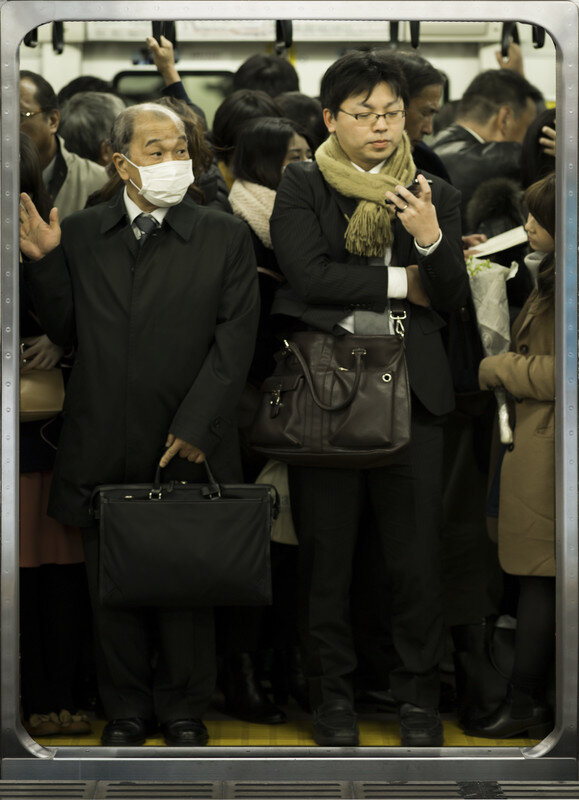
Plethora exhibition observes and analyses different human groups in large urban centers, restoring each one's way of life in their diverse aspects. Regardless of the location (Sao Paulo, New York, Tokyo, Mumbai, Beijing and Jakarta) or the topic addressed, confinement is a common theme. In each image there is a certain body restraint: even when the methods of locking or correcting are not clearly exposed, as in Locked Up, it is always about the body the body and its forces, its seclusion and submission. From employees locked in offices to workers boxed in capsule hotels, deprivation passes from a precept of unbearable sensations to an economy of suspended rights.
As in previous series, Julio Bittencourt (once again) plays with the duality of photography, exploring it both in its documentary and conceptual character. Without its journalistic commitment to reality and using its own creative possibilities, the artist does not seek to answer the detailed questions at the exhibition, but provokes us to debate over the consequences of an overpopulated world.
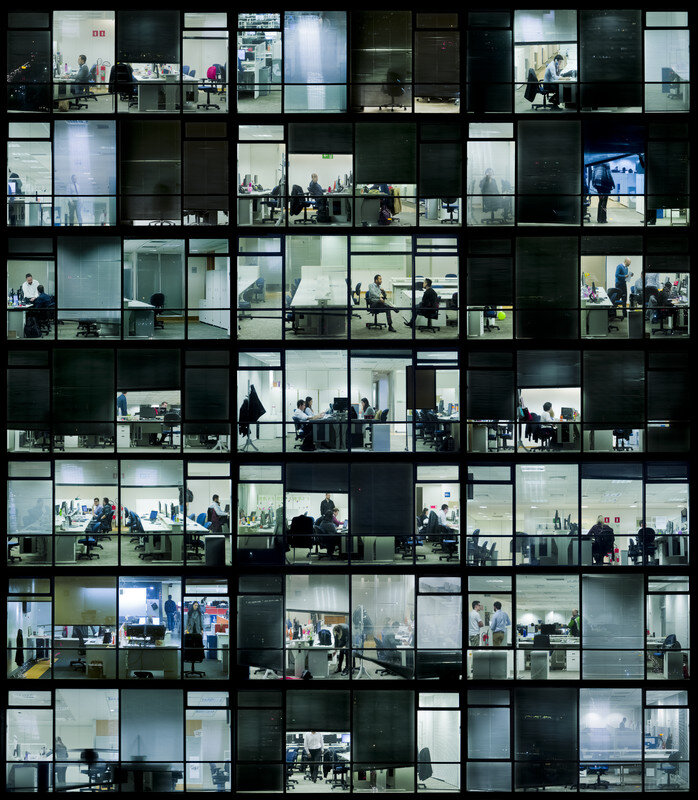
9 TO 5
Sao Paulo, Brazil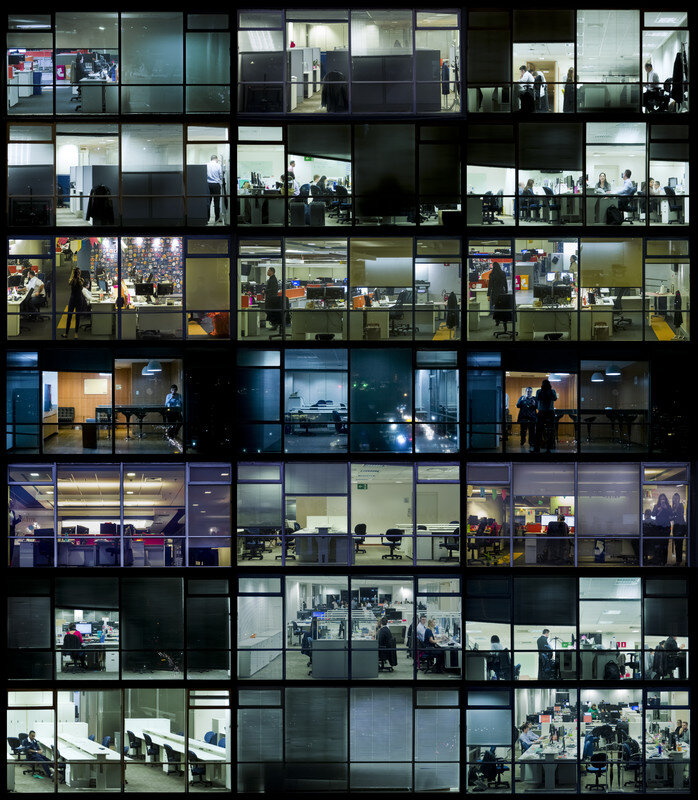
DEAD SEA
Daying, China
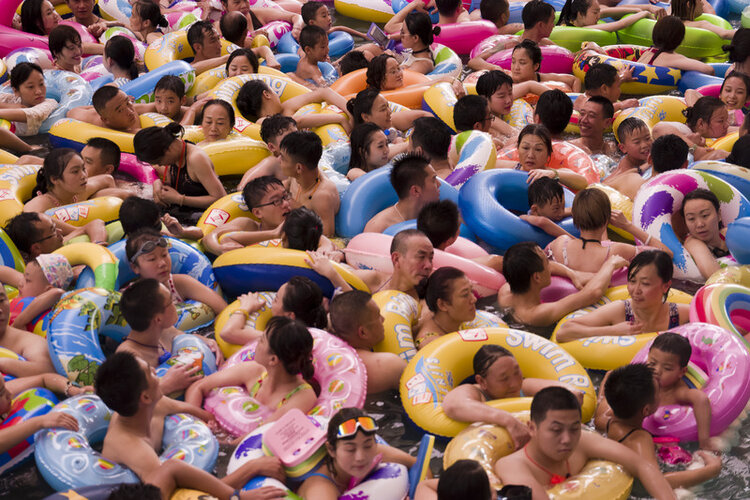
TOKYO SUBWAY
Tokyo, Japan





InstituteTM (collectively Institute Pictures, Institute Studios, & Institute Artist) is redefining how stories are produced and told in the 21st Century. Founded by Producer Frank Evers and Director/Visual Artist Lauren Greenfield, we are a multiplatform production company representing auteur-driven storytellers across commercials, photography, fine art, film, and technology — and producing original work across every screen that those stories live on. Our multiplatform expertise and established global relationships in entertainment, commercial, fine art, and journalism create unmatched reach and cross-pollination of creative work. A film commission informs a photography campaign; a fine art practice shapes a commercial; an editorial relationship opens a documentary. Few companies operate fluently across all of these worlds. Institute was built this way from the ground up.
Clients include: Apple, Google, Meta, Amazon, Microsoft/Xbox, LinkedIn, WhatsApp, Nike, Adidas, Lululemon, Under Armour, Dove, Maybelline, Clinique, Ulta Beauty, Aesop, Vaseline, LEGO, Balenciaga, Dior, Tom Ford, Kenzo, Supreme, Van Cleef & Arpels, Mercedes-Benz, Volvo, Toyota, McLaren, Pennzoil, American Express, Chase, U.S. Bank, Burger King, Chobani, Corona, Pepsi, Nespresso, Lavazza, Velveeta, Airbnb, Four Seasons, Marriott, Instacart, eBay, JCPenney, Levi's, Swatch, Bang & Olufsen, Bayer, Pfizer, Genentech, EA, Planned Parenthood, Ad Council, and the United Nations. Editorial and publishing partners include: The New York Times Magazine, The New Yorker, GQ, Esquire, TIME, Bloomberg, National Geographic, The Economist, Monocle, Le Monde, Stern, Sunday Times Magazine, Phaidon, Steidl, Abrams, Prestel, Chronicle, and Random House.
“Institute” is a registered trademark in the US, Europe, and United Kingdom. All rights reserved.