
Sacred Ground
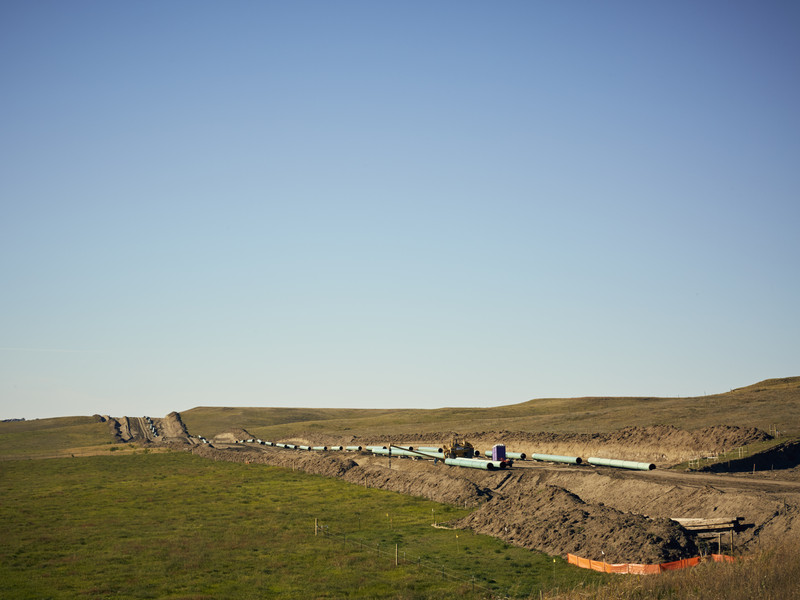
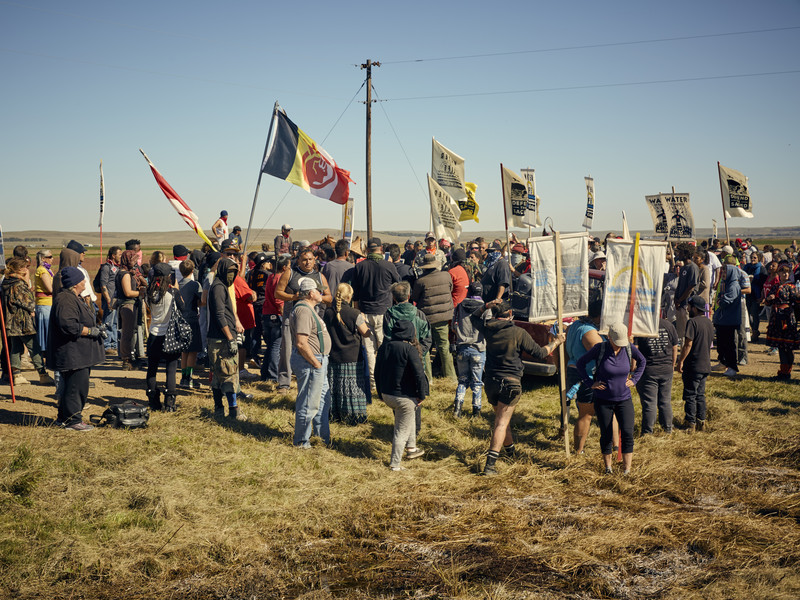
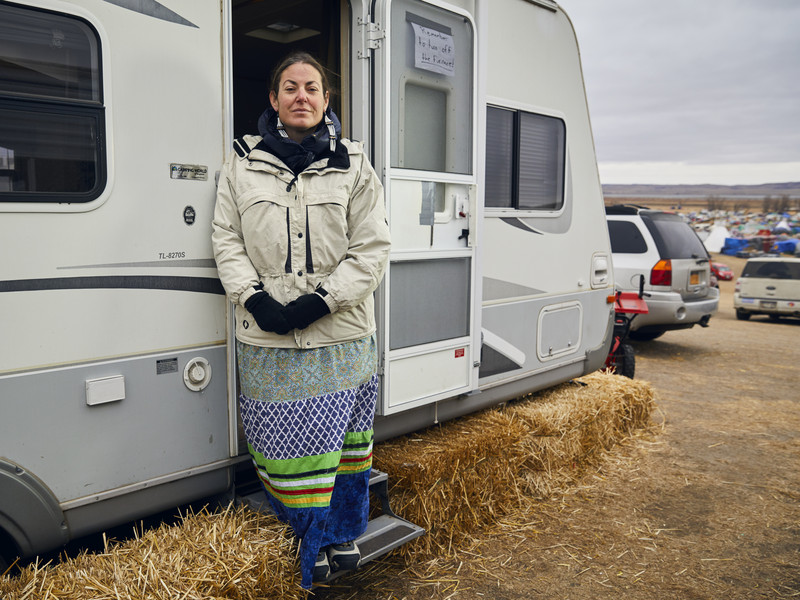
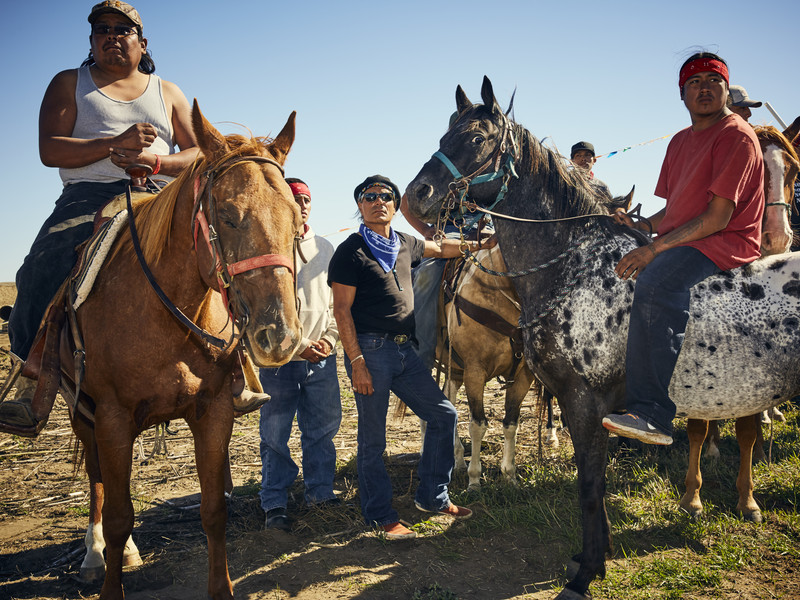
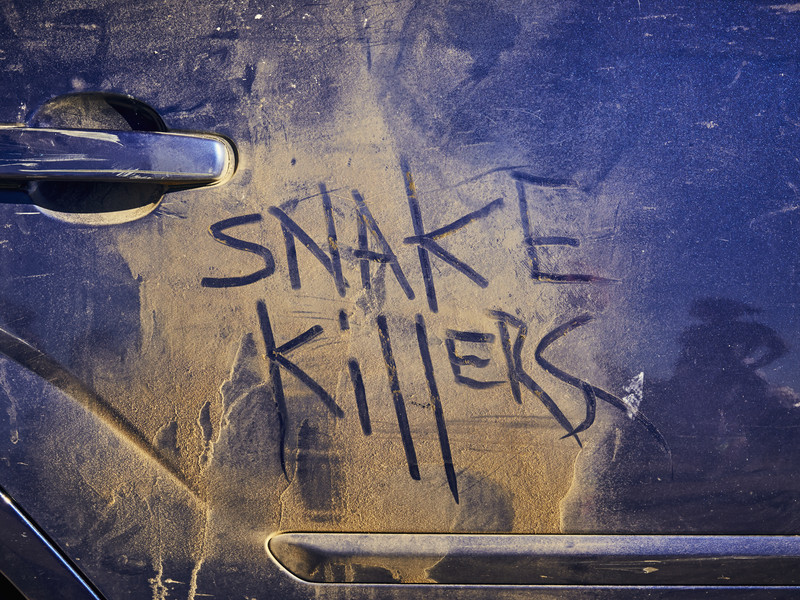
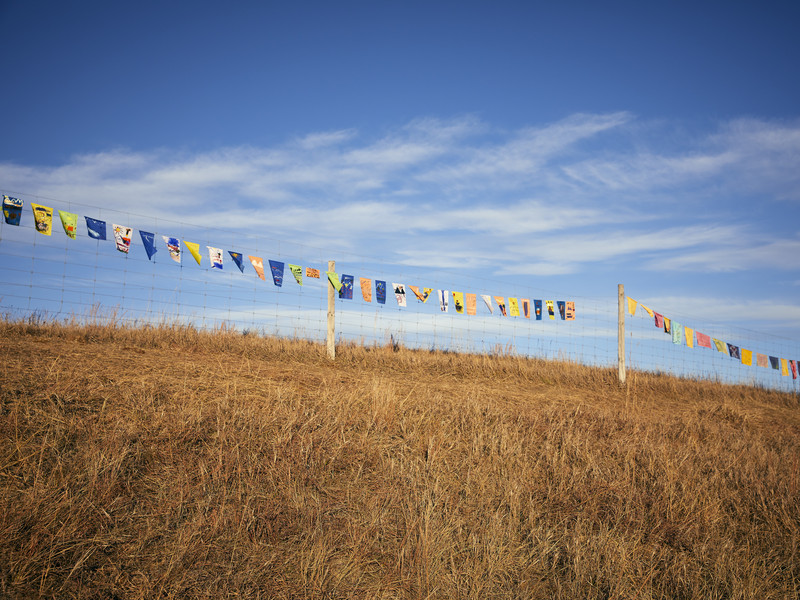
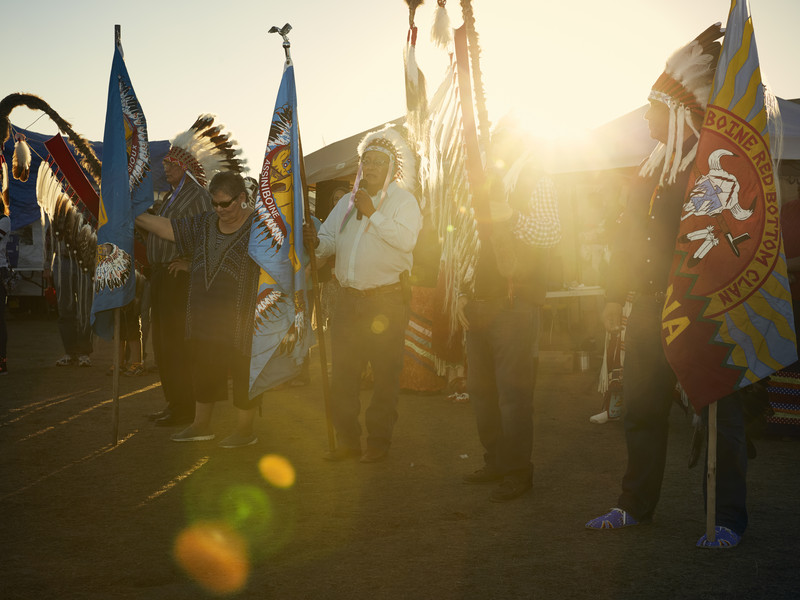
© Marc McandrewsThe story of the Dakota Access pipeline is a long and difficult one to tell. On its face it is the story of the hundreds of Native American tribes that have gathered since the spring of 2016 to protest the Dakota Access Pipeline. Thousands of the Tribe’s supporters have moved into camps just outside of Cannonball, ND in a show of solidarity.
These high profile protests, however, are a small part of a much larger issue. The pipeline brought to a head conflicts about disputed treaty lands, the historical treatment of Native Americans by the Federal Government and the changing relationship between the predominantly white towns of Bismarck / Mandan and the Standing Rock Sioux Reservation to the south.
The present route for the $3.7 billion pipeline is set to cross under the Missouri River one half of a mile north of the Sioux reservation on land still considered to be unceded under the Fort Laramie Treaty of 1851. The oil company has paid for easements on privately owned land which crosses through this disputed territory. Opponents of the pipeline say it threatens the water supply for those downstream pointing out a leak near the river would pour thousands of gallons of oil directly into the reservation’s water source. While the chance of a break occurring is contested both sides admit that the pipeline construction has already disturbed a number of “unexpected discovery” sites considered sacred to the Standing Rock Sioux.
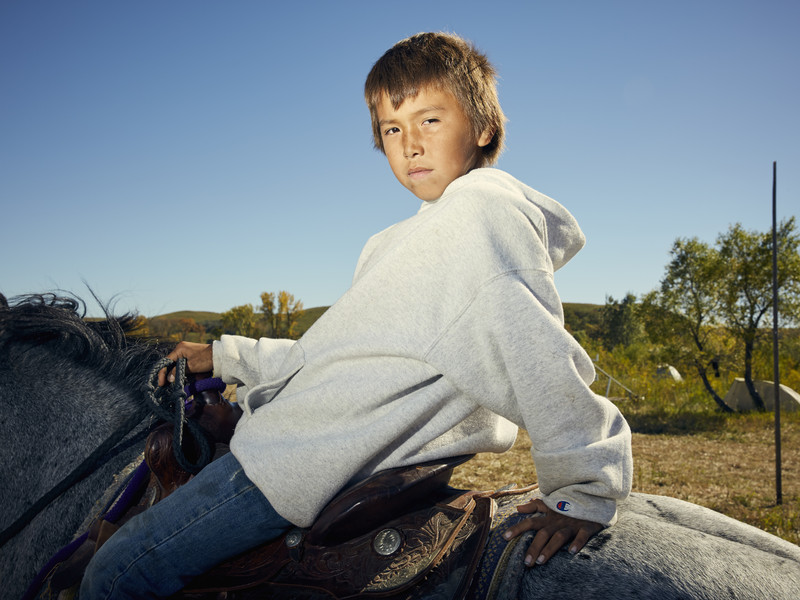
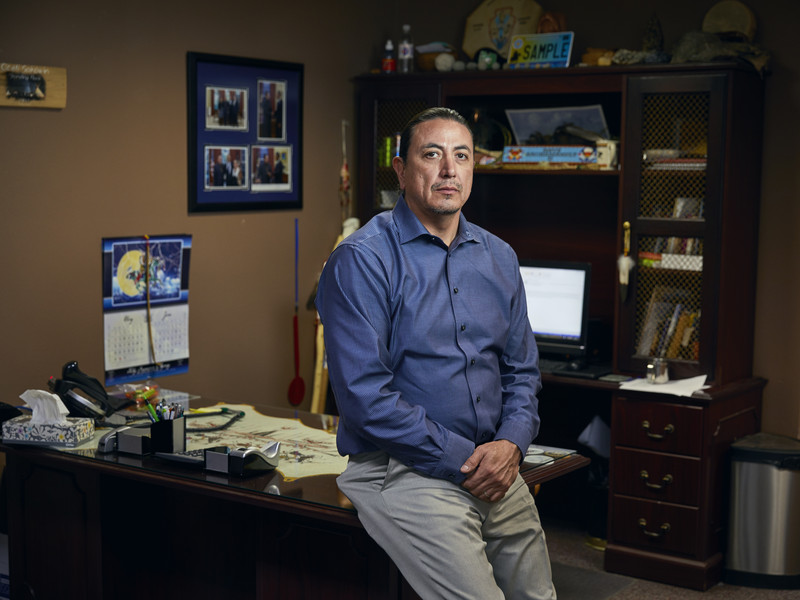
Sacred Ground focuses on the people involved in the decision making process, the elders who’ve lived the history of the Standing Rock Sioux Tribe and the younger generation of Sioux who will continue to live and raise their families next to the river after the dust has settled.
click to view the complete set of images in the archive









InstituteTM (collectively Institute Pictures, Institute Studios, & Institute Artist) is redefining how stories are produced and told in the 21st Century. Founded by Producer Frank Evers and Director/Visual Artist Lauren Greenfield, we are a multiplatform production company representing auteur-driven storytellers across commercials, photography, fine art, film, and technology — and producing original work across every screen that those stories live on. Our multiplatform expertise and established global relationships in entertainment, commercial, fine art, and journalism create unmatched reach and cross-pollination of creative work. A film commission informs a photography campaign; a fine art practice shapes a commercial; an editorial relationship opens a documentary. Few companies operate fluently across all of these worlds. Institute was built this way from the ground up.
Clients include: Apple, Google, Meta, Amazon, Microsoft/Xbox, LinkedIn, WhatsApp, Nike, Adidas, Lululemon, Under Armour, Dove, Maybelline, Clinique, Ulta Beauty, Aesop, Vaseline, LEGO, Balenciaga, Dior, Tom Ford, Kenzo, Supreme, Van Cleef & Arpels, Mercedes-Benz, Volvo, Toyota, McLaren, Pennzoil, American Express, Chase, U.S. Bank, Burger King, Chobani, Corona, Pepsi, Nespresso, Lavazza, Velveeta, Airbnb, Four Seasons, Marriott, Instacart, eBay, JCPenney, Levi's, Swatch, Bang & Olufsen, Bayer, Pfizer, Genentech, EA, Planned Parenthood, Ad Council, and the United Nations. Editorial and publishing partners include: The New York Times Magazine, The New Yorker, GQ, Esquire, TIME, Bloomberg, National Geographic, The Economist, Monocle, Le Monde, Stern, Sunday Times Magazine, Phaidon, Steidl, Abrams, Prestel, Chronicle, and Random House.
“Institute” is a registered trademark in the US, Europe, and United Kingdom. All rights reserved.