
Suspension
© Stefano Morelli
Ararat Valley, Armenia
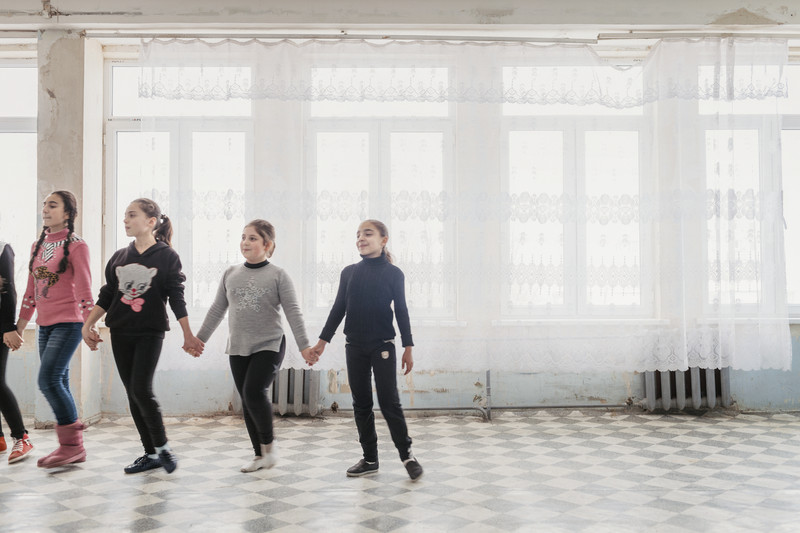
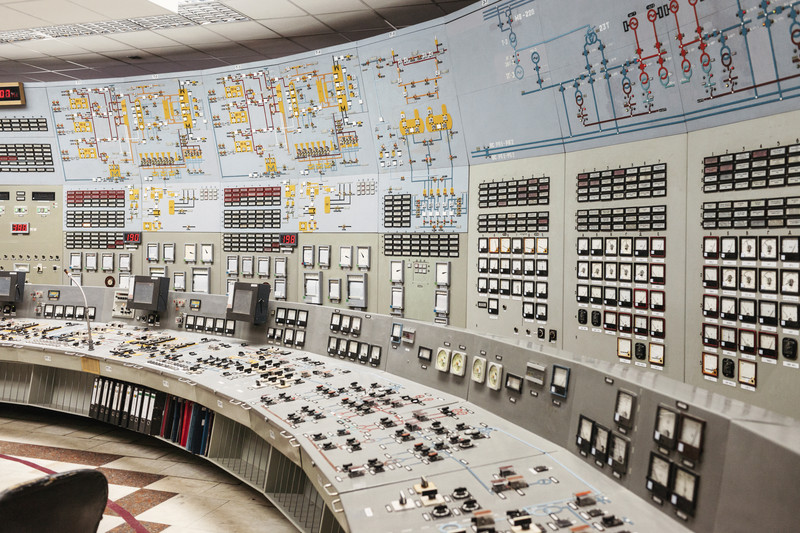
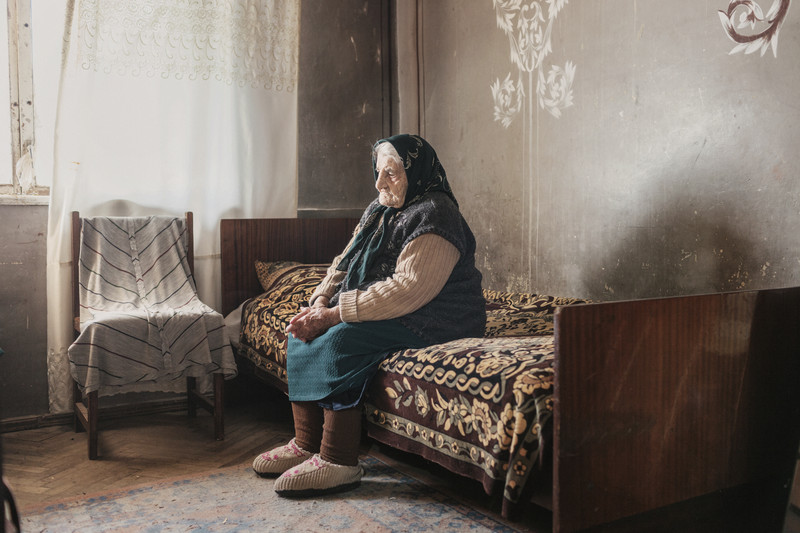
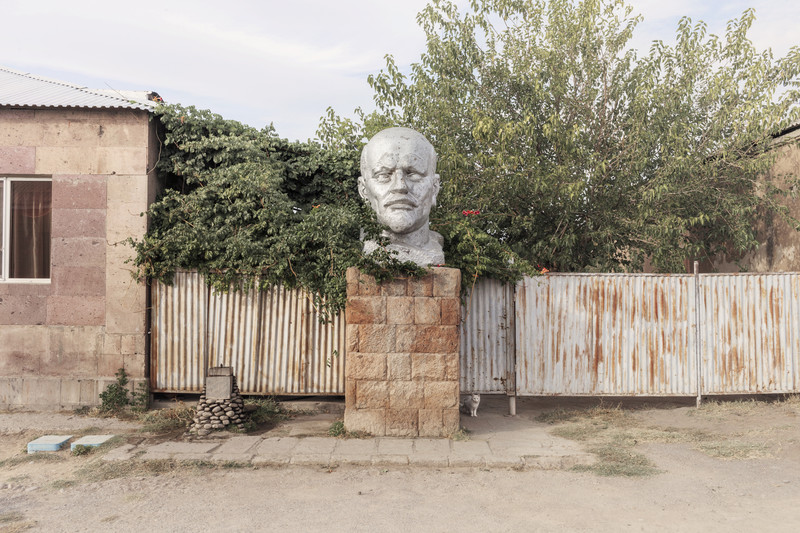
We are in Armenia, the least extended of the fifteen former Soviet Socialist Republics. About thirty kilometres from Armenia’s capital city of Yerevan, and twenty from the Turkish border sits the antiquated Metsamor nuclear power plant. Under the communist regime, the region had had a strong industrial impulse, especially in the transformation of raw materials and semi-finished products, which exponentially had increased its need for energy. So, in 1969 the construction of the Oktemberyan nuclear power plant began. The plant, located in a town also called Metsamor, has long been a cause for concern for at least two reasons: It was built without containment vessels, and it sits in a seismic zone. In fact, it was closed in 1989 after a devastating earthquake, which claimed twenty-five thousand victims, hit nearby. The epicentre was in fact only seventy-five kilometres away. In 2011, National Geographic even suggested that it might be the world’s most dangerous nuclear plant. According to a 1995 Washington Post article, the plant was reopened because Armenia was desperate to have energy after its neighbour, Azerbaijan, imposed an energy blockade. According to the article, back then, “As many as one-third of Armenia’s 3.6 million people have left, for months at a time or longer, because winters are unbearable and factories stand idle.” Despite the risks, the power plant is still open, and people still live in the town created for the plant’s workers. There seem to be few alternatives, considering that the plant produces a significant chunk of the country’s energy. According to the World Nuclear Association, the power plant provided 31 per cent of the total electricity for the country in 2016.
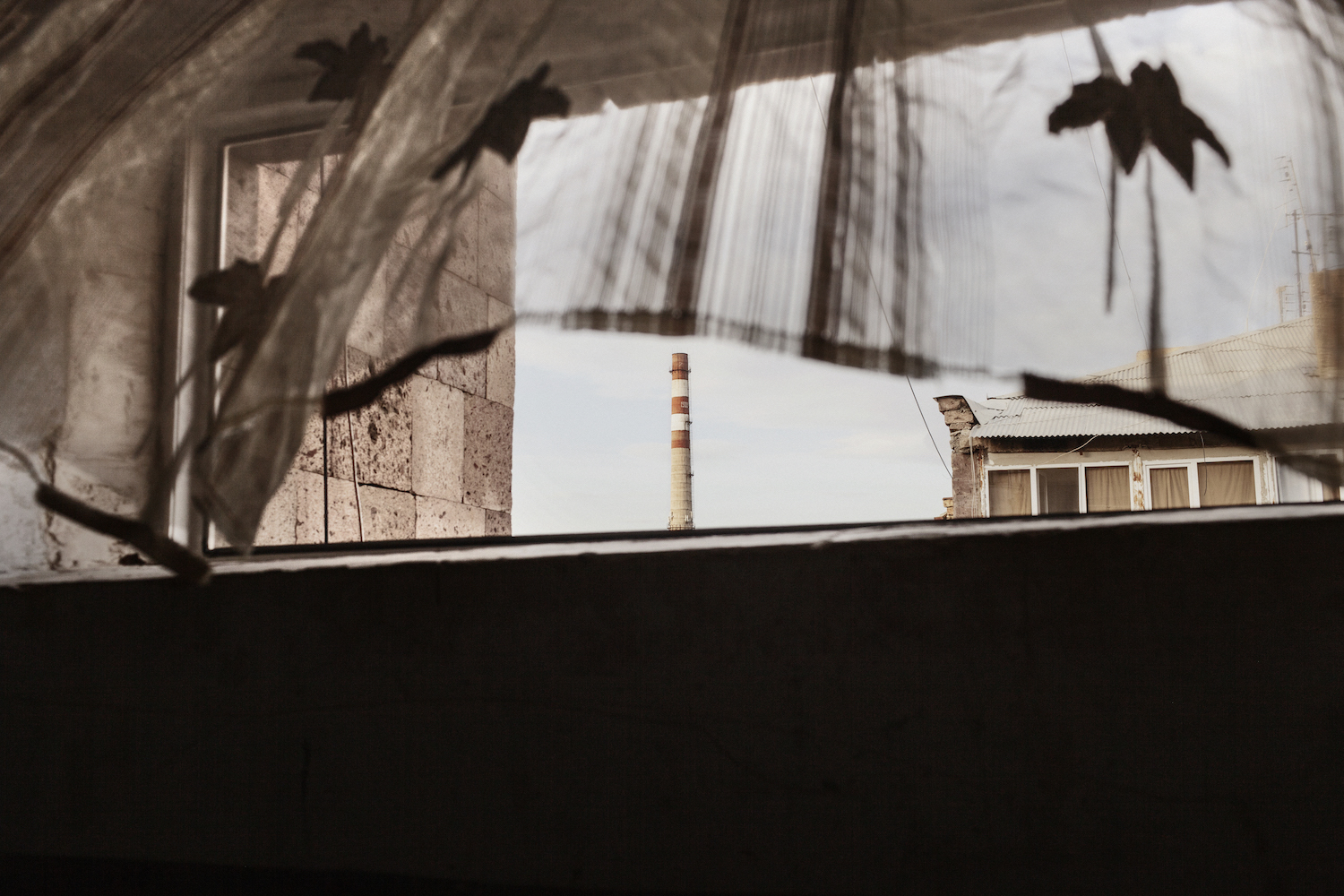
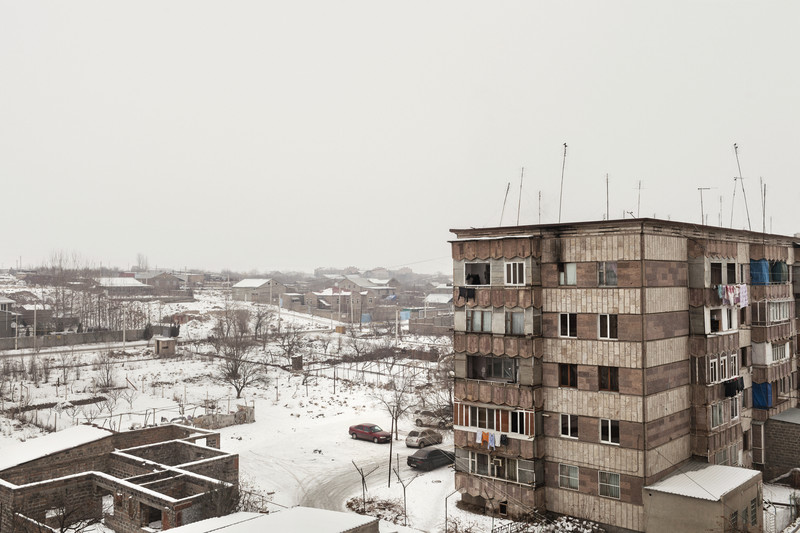
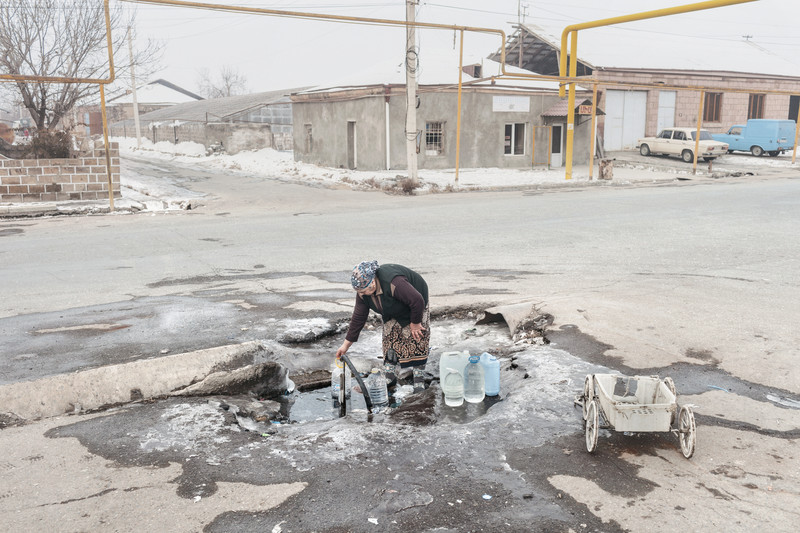
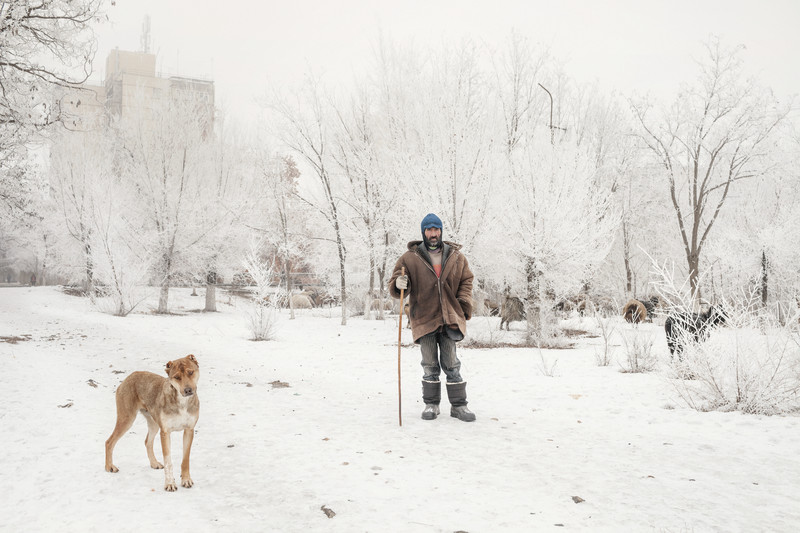
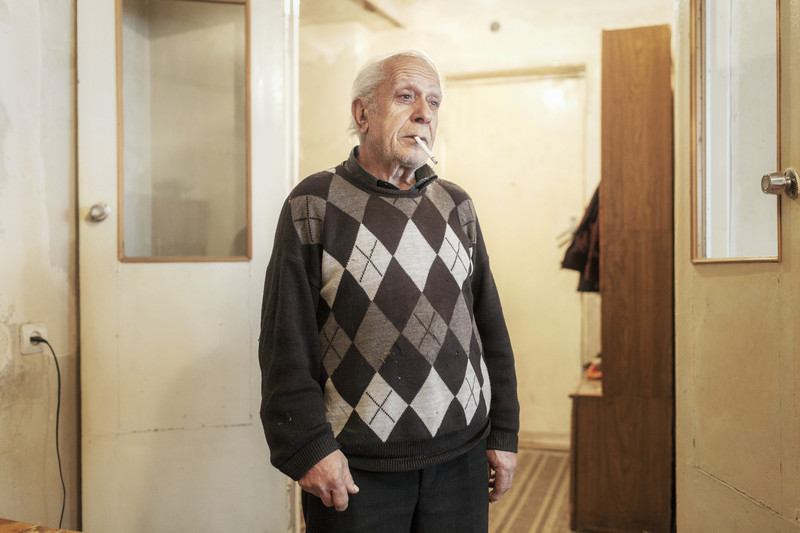
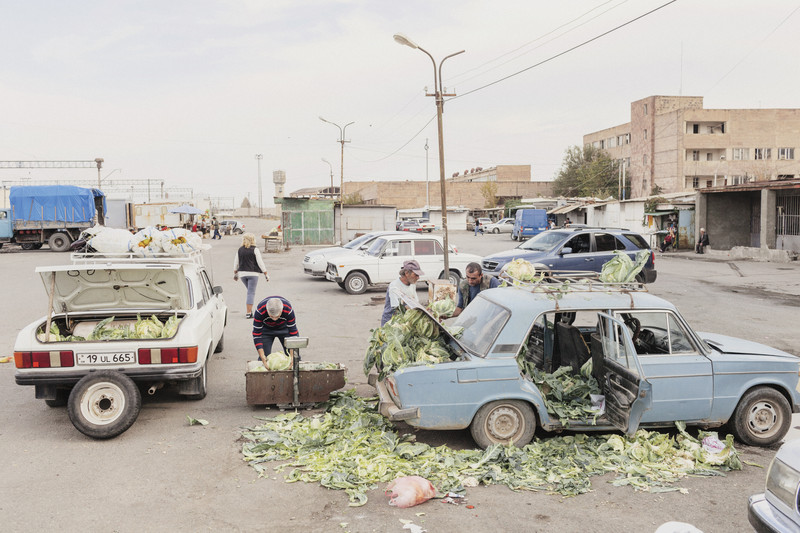
I began my long term project in January 2017 for the centenary of the Russian Revolution, to document its way of life. What I found was 10,000 people, 1.000 who still work at the plant, living in a town of old Soviet buildings, caught in suspension between doubts and fears, between poverty and survival, between life and death.
click to view the complete set of images in the archive.


InstituteTM (collectively Institute Pictures, Institute Studios, & Institute Artist) is redefining how stories are produced and told in the 21st Century. Founded by Producer Frank Evers and Director/Visual Artist Lauren Greenfield, we are a multiplatform production company representing auteur-driven storytellers across commercials, photography, fine art, film, and technology — and producing original work across every screen that those stories live on. Our multiplatform expertise and established global relationships in entertainment, commercial, fine art, and journalism create unmatched reach and cross-pollination of creative work. A film commission informs a photography campaign; a fine art practice shapes a commercial; an editorial relationship opens a documentary. Few companies operate fluently across all of these worlds. Institute was built this way from the ground up.
Clients include: Apple, Google, Meta, Amazon, Microsoft/Xbox, LinkedIn, WhatsApp, Nike, Adidas, Lululemon, Under Armour, Dove, Maybelline, Clinique, Ulta Beauty, Aesop, Vaseline, LEGO, Balenciaga, Dior, Tom Ford, Kenzo, Supreme, Van Cleef & Arpels, Mercedes-Benz, Volvo, Toyota, McLaren, Pennzoil, American Express, Chase, U.S. Bank, Burger King, Chobani, Corona, Pepsi, Nespresso, Lavazza, Velveeta, Airbnb, Four Seasons, Marriott, Instacart, eBay, JCPenney, Levi's, Swatch, Bang & Olufsen, Bayer, Pfizer, Genentech, EA, Planned Parenthood, Ad Council, and the United Nations. Editorial and publishing partners include: The New York Times Magazine, The New Yorker, GQ, Esquire, TIME, Bloomberg, National Geographic, The Economist, Monocle, Le Monde, Stern, Sunday Times Magazine, Phaidon, Steidl, Abrams, Prestel, Chronicle, and Random House.
“Institute” is a registered trademark in the US, Europe, and United Kingdom. All rights reserved.