
The 8 Mile Wall
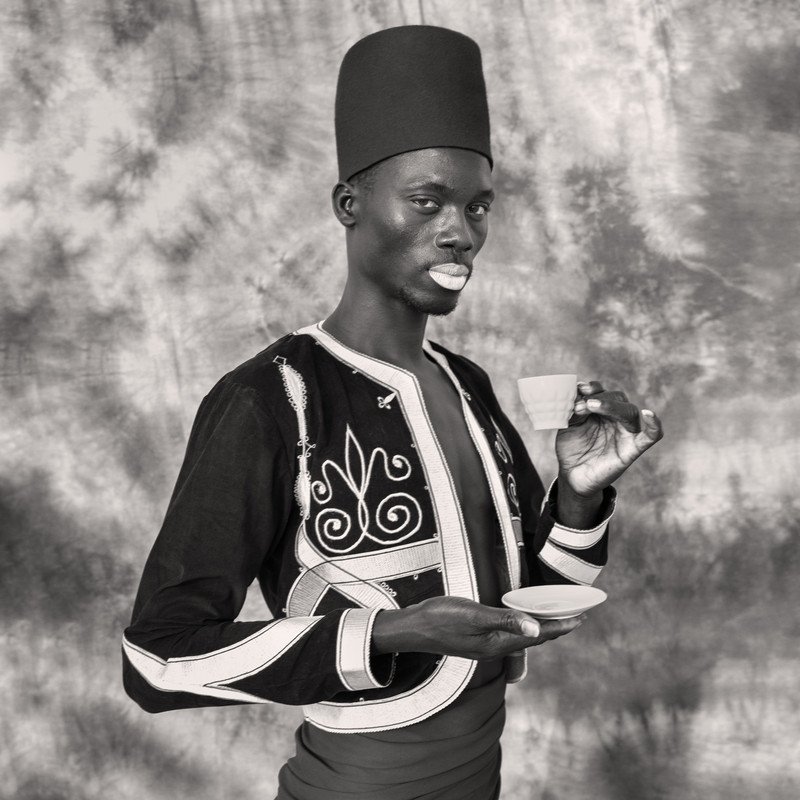
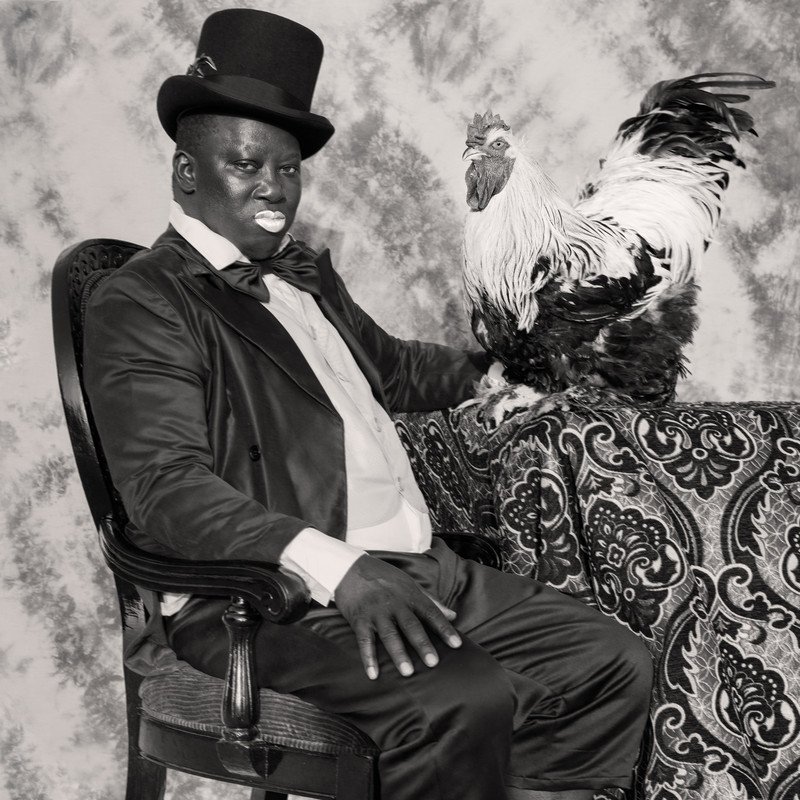
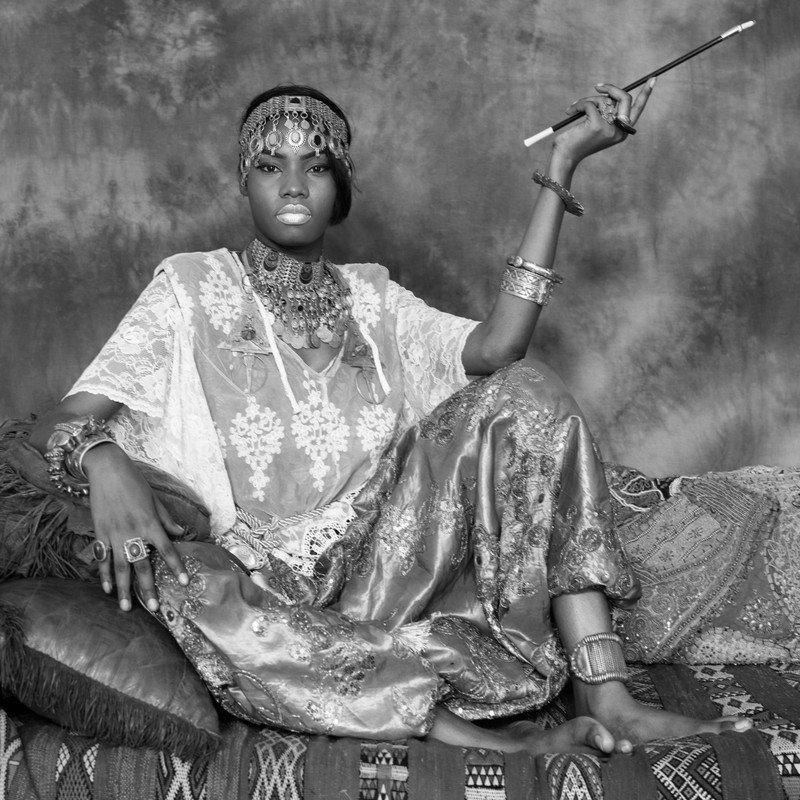
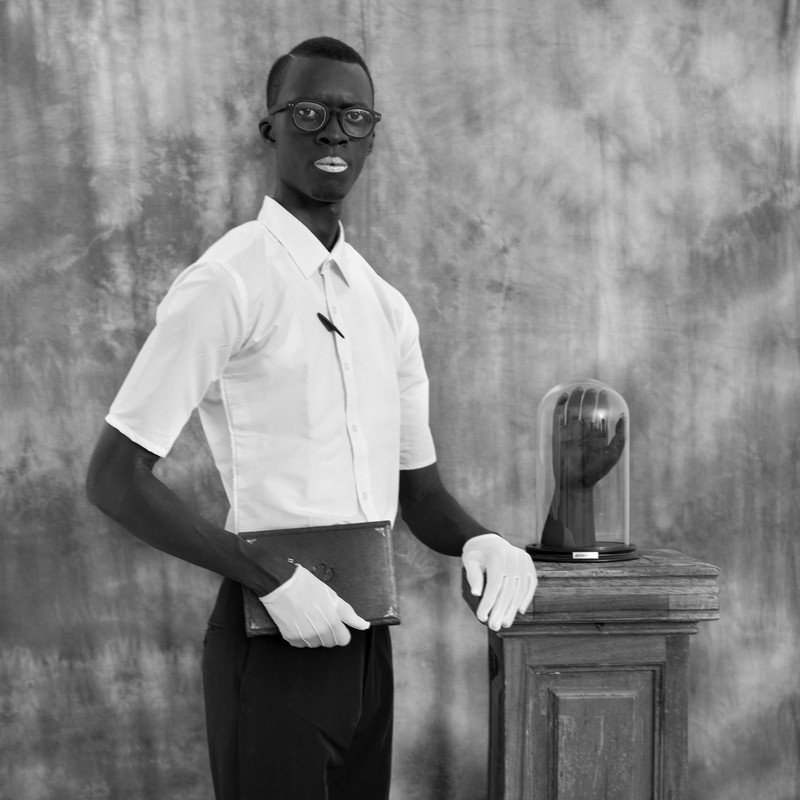
© Fabrice MonteiroAs a child, I asked my father, a professor of medicine by profession, why he always dressed in a 3-piece suit when we came to spend the summer holidays in Belgium. He whom I had always seen dressed in a simple wax ensemble in Benin. He explained to me that it was the only way to be treated with consideration as a black man in Europe.
I then asked myself the following question:
Are we black before being a man?
The 8 mile wall is a wall built in Detroit in 1940 as a racial separation between houses occupied by whites and those occupied by blacks within the same social milieu. This 1.80 m high and 800 m long wall did not represent a real physical barrier but it says a lot about the psychological barriers that have been deliberately created since slavery to encourage difference through color.
From the pseudo-scientific studies of the 19th century applying to demonstrate the inferiority of blacks to human zoos where Europeans discovered their first black man behind bars by going picnicking to the acclimatization gardens. The exotic imagery conveyed by the first postcards from Africa, the media, the cinema or advertising, all contributed to a certain perception of the black man from one continent to another and continue to do so.
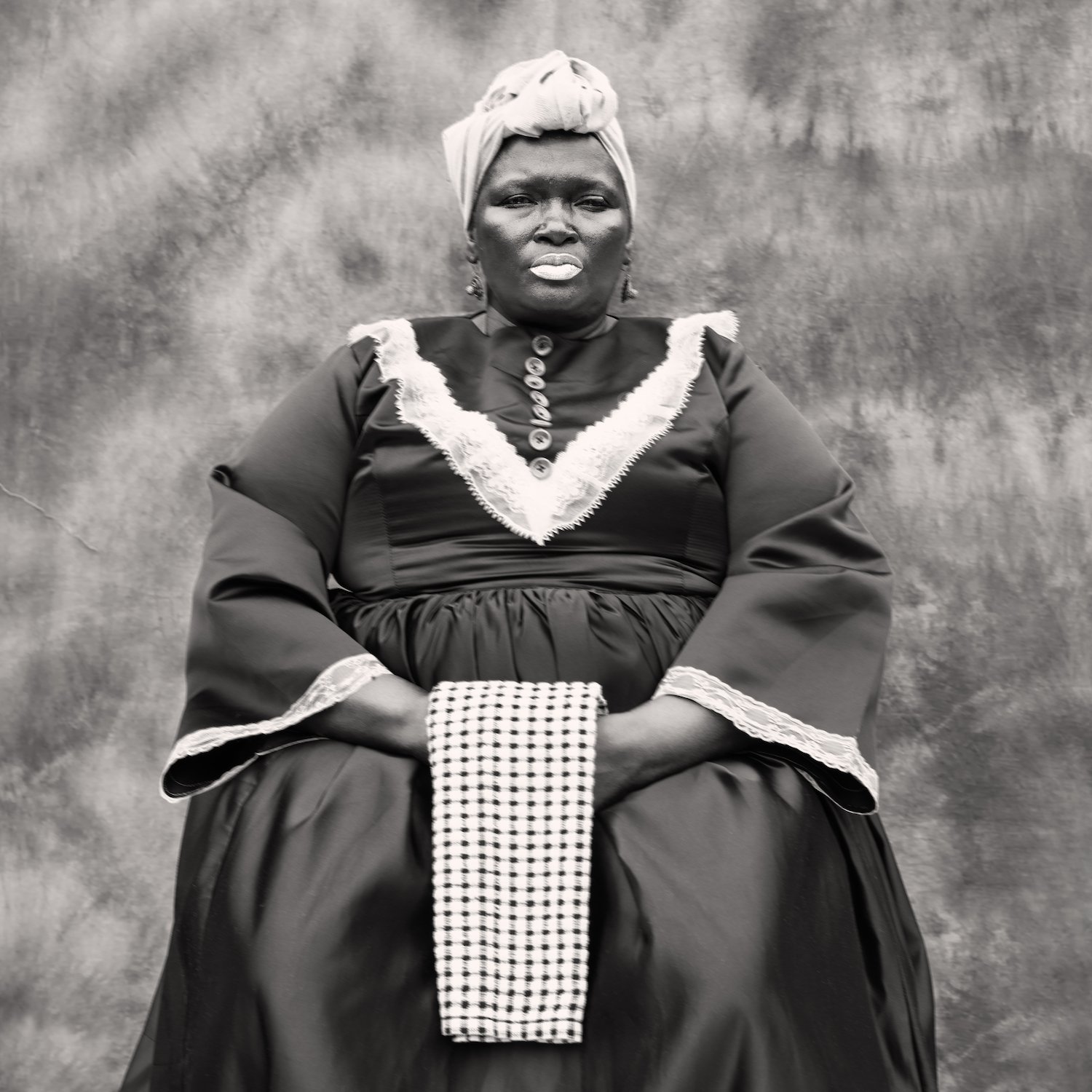
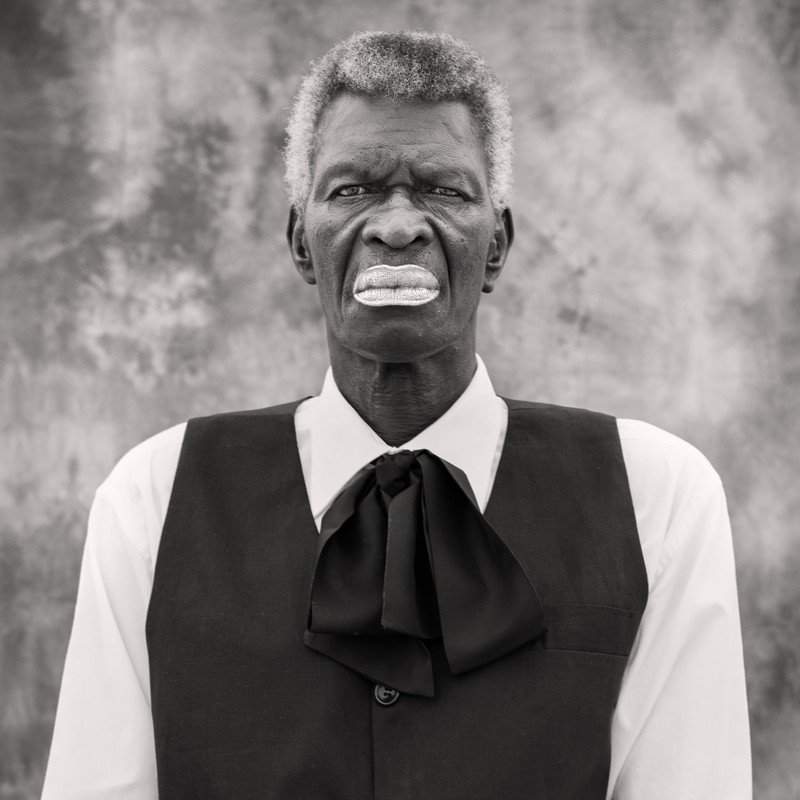
The good savage, Uncle Tom, Aunt Jemima, how to get rid of the hilarious and persistent Mr Banania in the 21st century?. This ethnocentric vision fueled by stereotypes and manipulations of the image of black becomes reality for the spectator and insidiously contributes to a certain gaze, sometimes in spite of oneself but which is not without consequences in the establishment of respective identities.
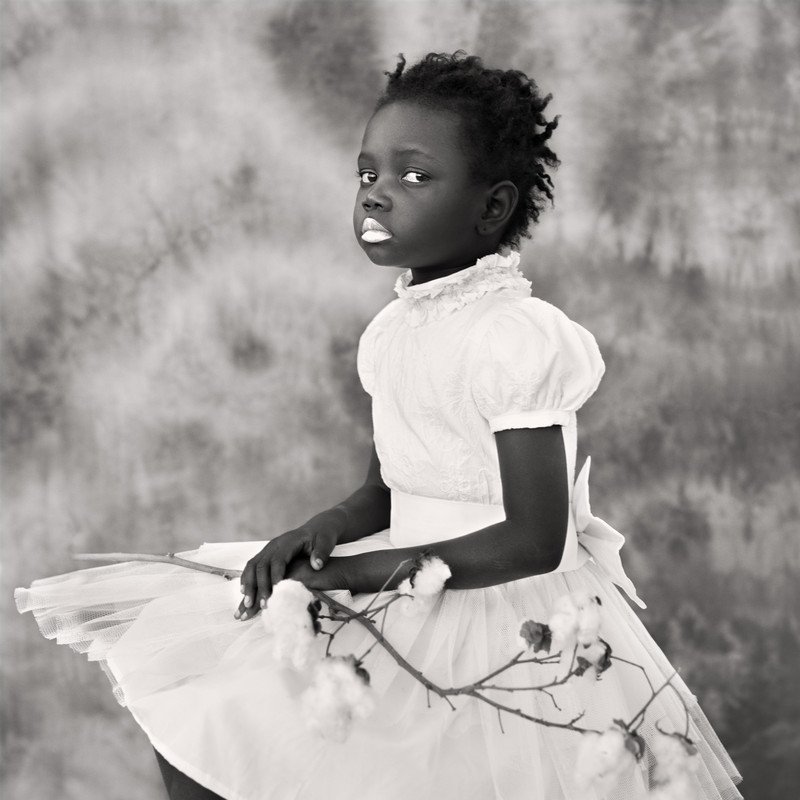
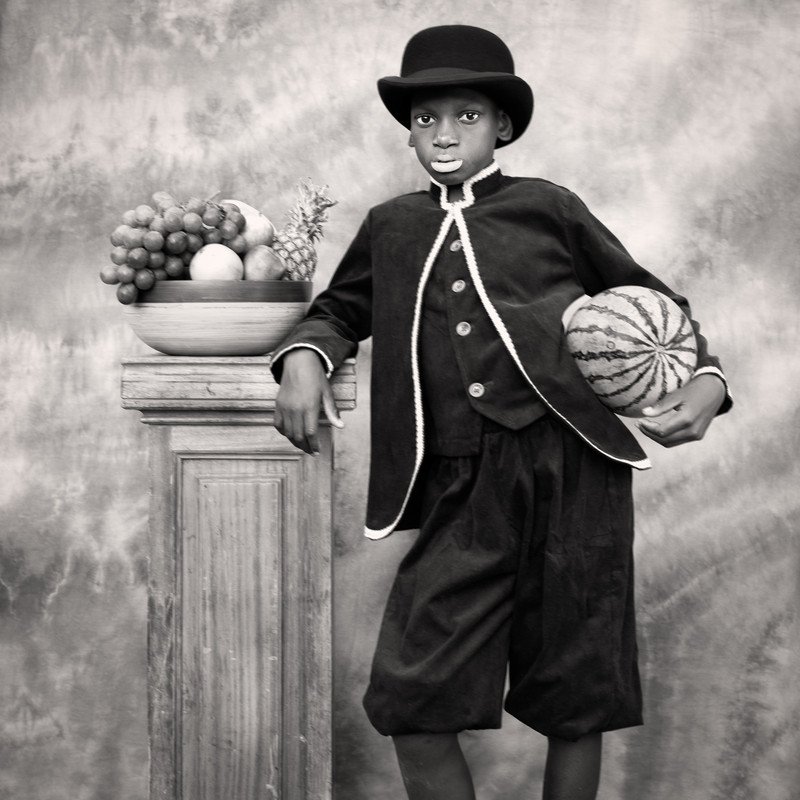
Here, the "blackface" no longer laughs with all his teeth while rolling balls. He exhibits himself with dignity as a symbol of mental oppression as an appeal to reason, a challenge to break definitively with a difference, the “inferiorization” of one's neighbour.
click to view the complete set of images in the archive

InstituteTM (collectively Institute Pictures, Institute Studios, & Institute Artist) is redefining how stories are produced and told in the 21st Century. Founded by Producer Frank Evers and Director/Visual Artist Lauren Greenfield, we are a multiplatform production company representing auteur-driven storytellers across commercials, photography, fine art, film, and technology — and producing original work across every screen that those stories live on. Our multiplatform expertise and established global relationships in entertainment, commercial, fine art, and journalism create unmatched reach and cross-pollination of creative work. A film commission informs a photography campaign; a fine art practice shapes a commercial; an editorial relationship opens a documentary. Few companies operate fluently across all of these worlds. Institute was built this way from the ground up.
Clients include: Apple, Google, Meta, Amazon, Microsoft/Xbox, LinkedIn, WhatsApp, Nike, Adidas, Lululemon, Under Armour, Dove, Maybelline, Clinique, Ulta Beauty, Aesop, Vaseline, LEGO, Balenciaga, Dior, Tom Ford, Kenzo, Supreme, Van Cleef & Arpels, Mercedes-Benz, Volvo, Toyota, McLaren, Pennzoil, American Express, Chase, U.S. Bank, Burger King, Chobani, Corona, Pepsi, Nespresso, Lavazza, Velveeta, Airbnb, Four Seasons, Marriott, Instacart, eBay, JCPenney, Levi's, Swatch, Bang & Olufsen, Bayer, Pfizer, Genentech, EA, Planned Parenthood, Ad Council, and the United Nations. Editorial and publishing partners include: The New York Times Magazine, The New Yorker, GQ, Esquire, TIME, Bloomberg, National Geographic, The Economist, Monocle, Le Monde, Stern, Sunday Times Magazine, Phaidon, Steidl, Abrams, Prestel, Chronicle, and Random House.
“Institute” is a registered trademark in the US, Europe, and United Kingdom. All rights reserved.