
White Water
© Charles XelotThe Arctic Ocean is a territory where man has no place: here, there is no life, only survival. Between October 2021 and May 202,2 I travelled in and around the Russian Arctic Ocean. I boarded four ships, visited five ports and met hundreds of people.
Explorers, artists and poets have fantasised about the Arctic. This immensity, immaculate and deadly, has always attracted adventurous spirits, those who wanted to touch the very edge of the world, test their own limits, and find breathtaking inspiration. Many men and women have given their lives for the thrill of discovery, to be the first to reach these places and make history. Making a new crossing, discovering a new island or simply surviving the winter were feats in themselves.
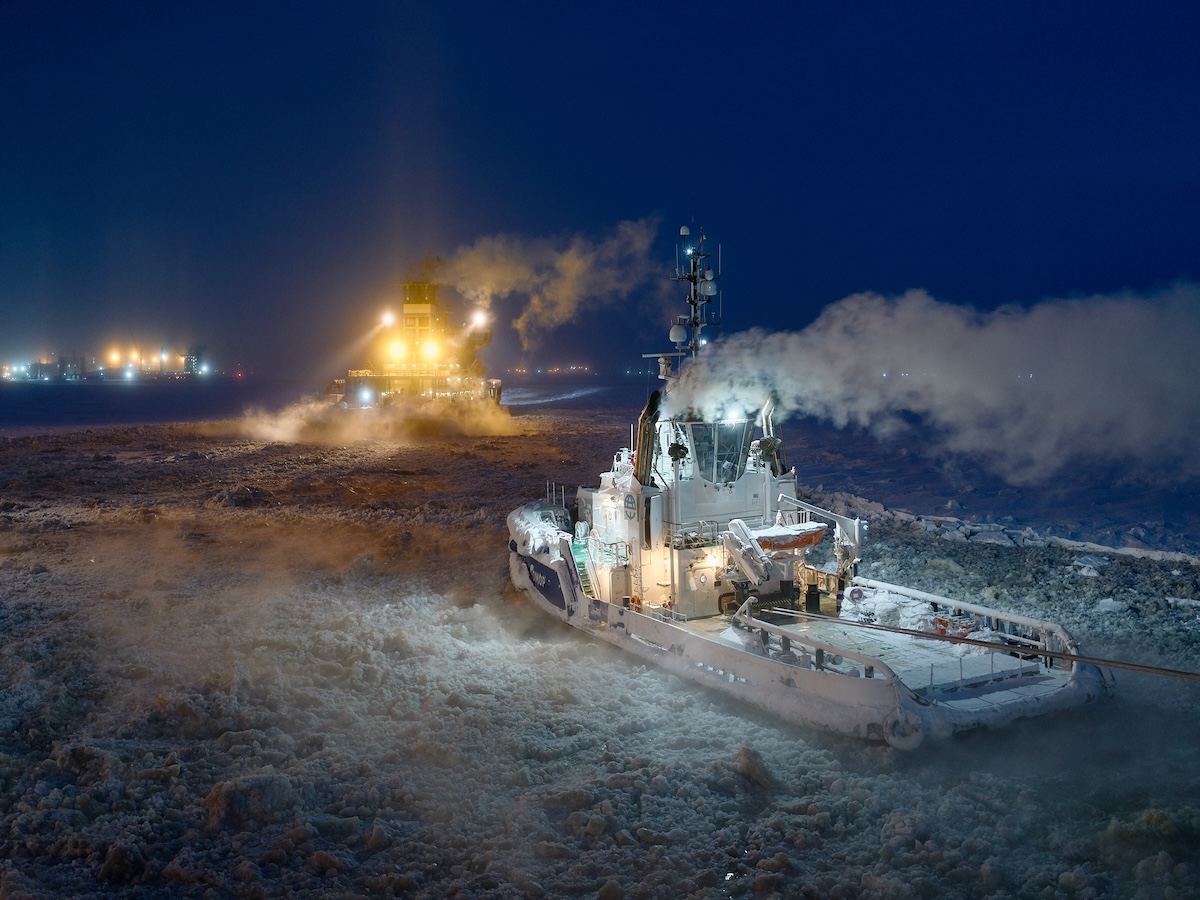
We now live in an age of exploitation and tourism. Adventure has been tamed, rationalised and organised. Commercial shipping has imposed its economic and safety standards because the industry needs certainty and results to justify its colossal investments. The huge ships that ply the Arctic Ocean carry gas, oil or building materials - all the power of human technology is brought to bear to cross the ice. Nations competed, and the goal was no longer glory and territorial conquest but market share and economic influence. Geography gave Russia an enormous advantage: it had the longest Arctic coastline and the only commercially exploitable sea route.
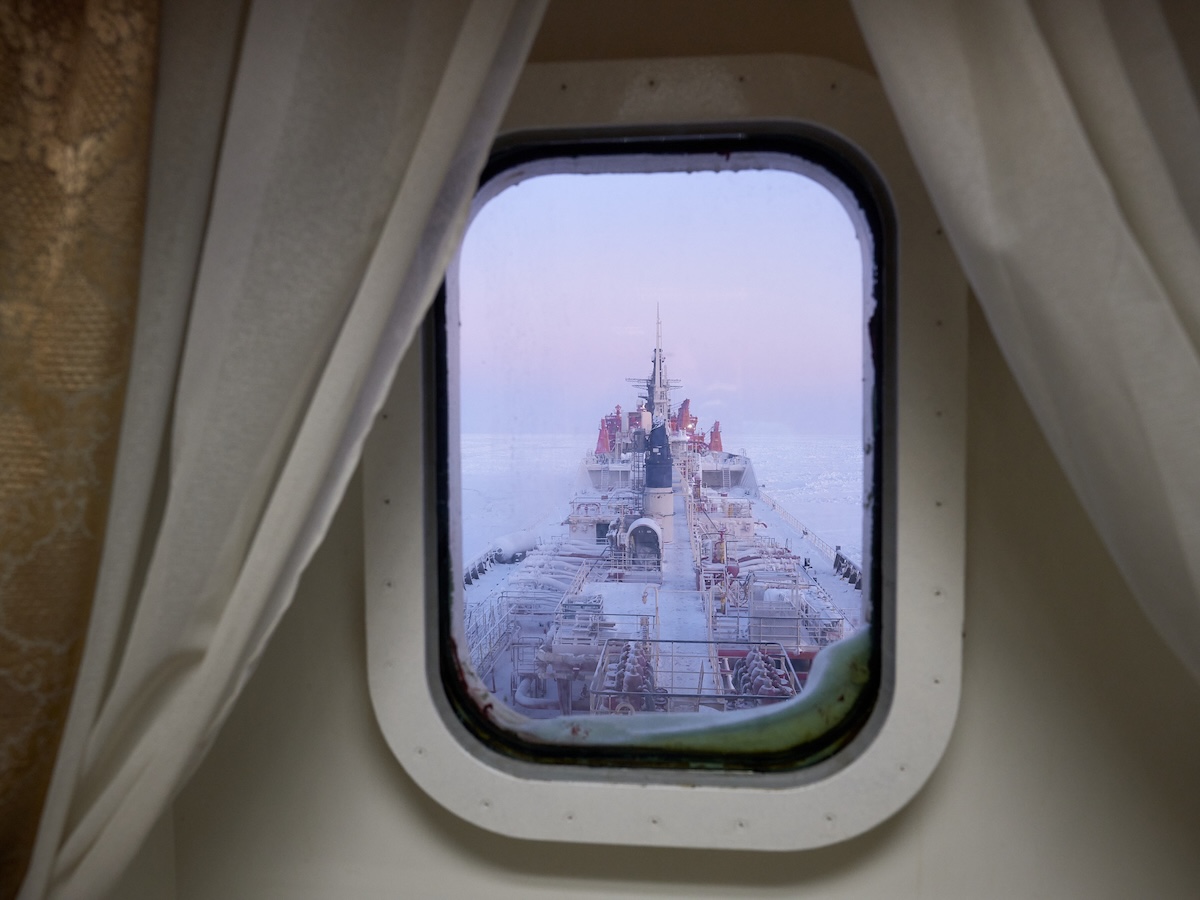
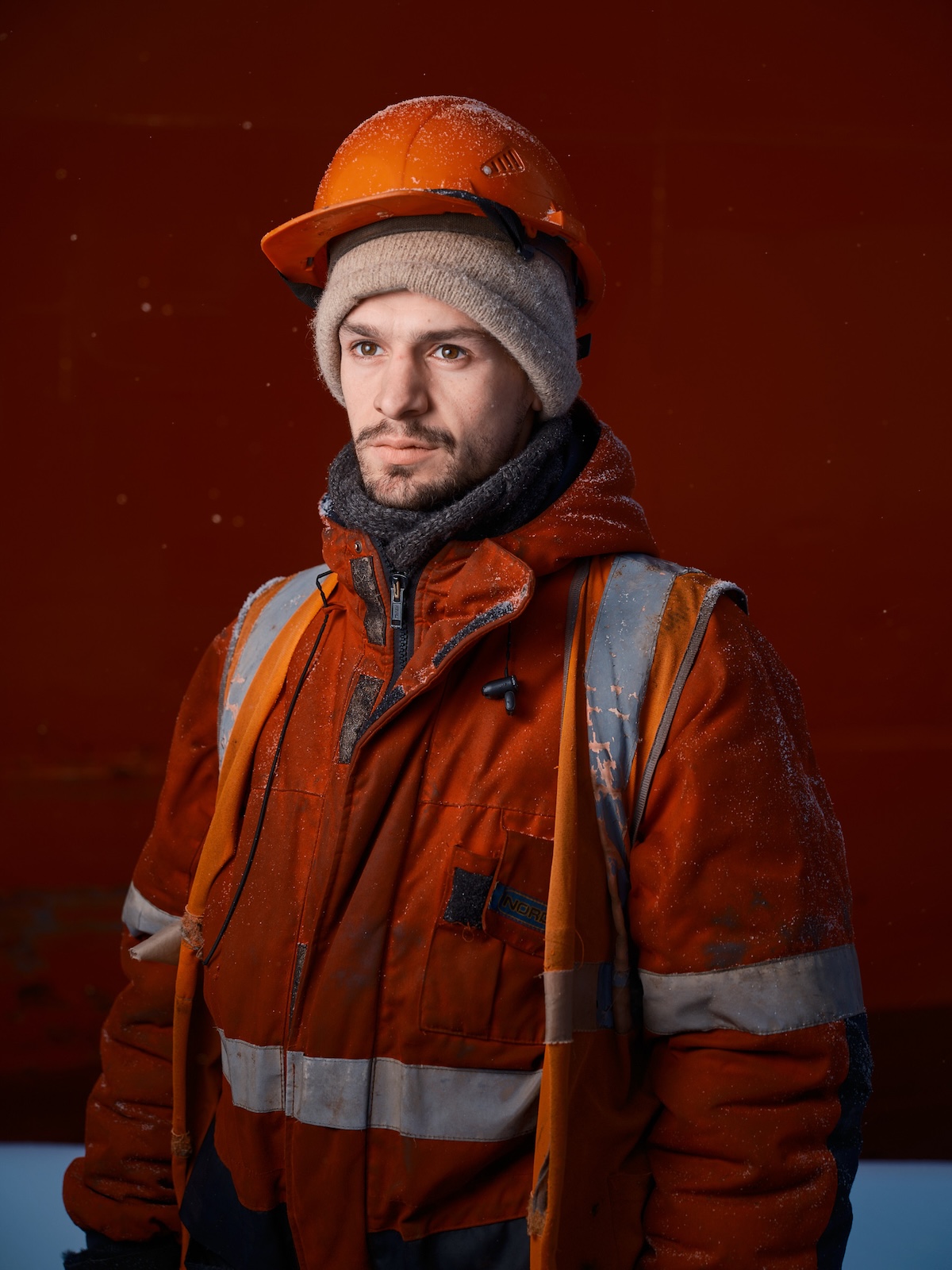
Thousands of anonymous men sail along the capes named by the explorers of the past. These ice sailors cross space in gigantic steel boats. The men survive protected by the ships' shells, while outside, the omnipresent white and merciless cold stretches to infinity.
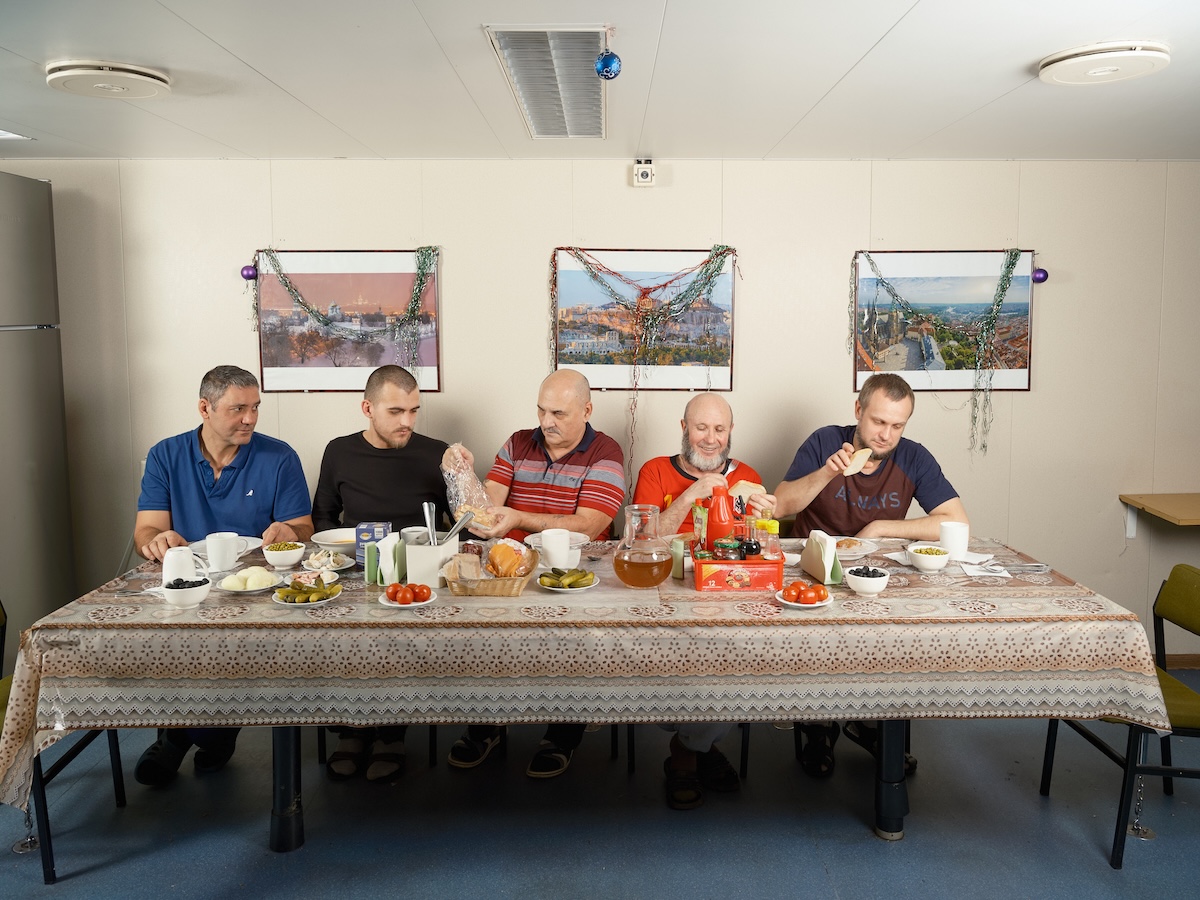
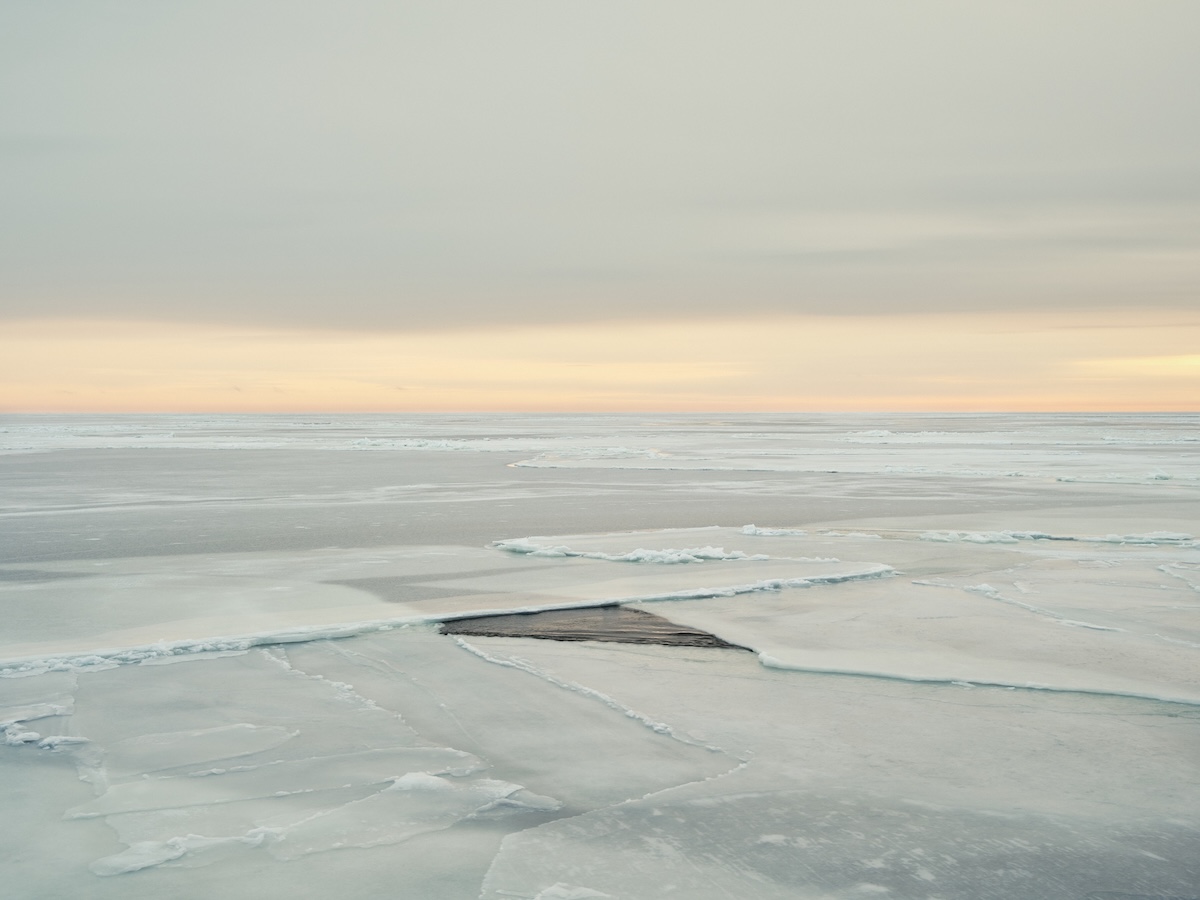
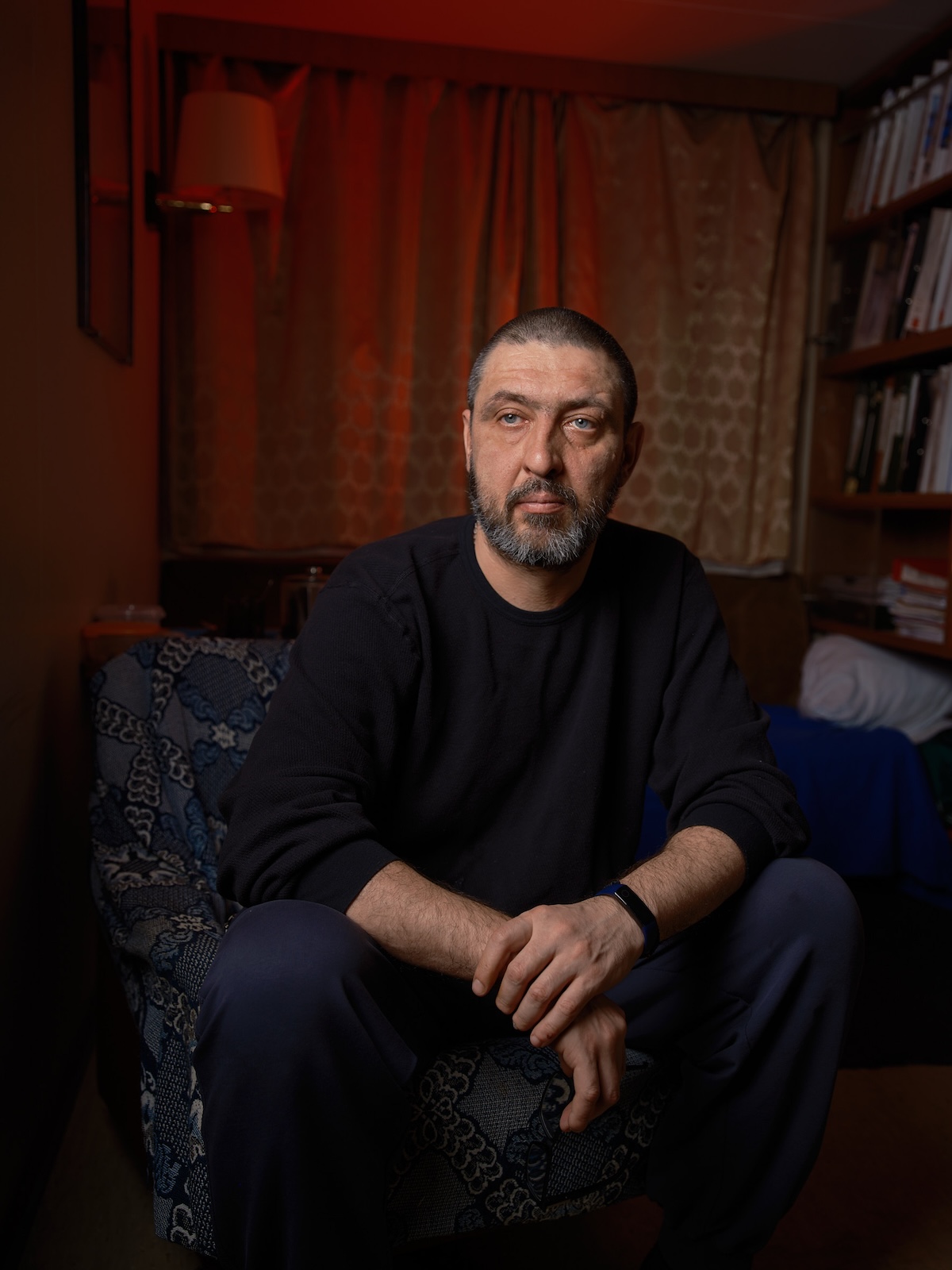
The sailors live cut off from the world, moving around without travelling and working non-stop. Monotonous days follow one another, with the same routine, the same colleagues and the same dangers. There area few distractions on board. Only the landscape varies: the ocean comes in thousands of shades, from the darkest grey to the most dazzling white. The sky is full of it, exploring every variation of pastel in endless sunsets.
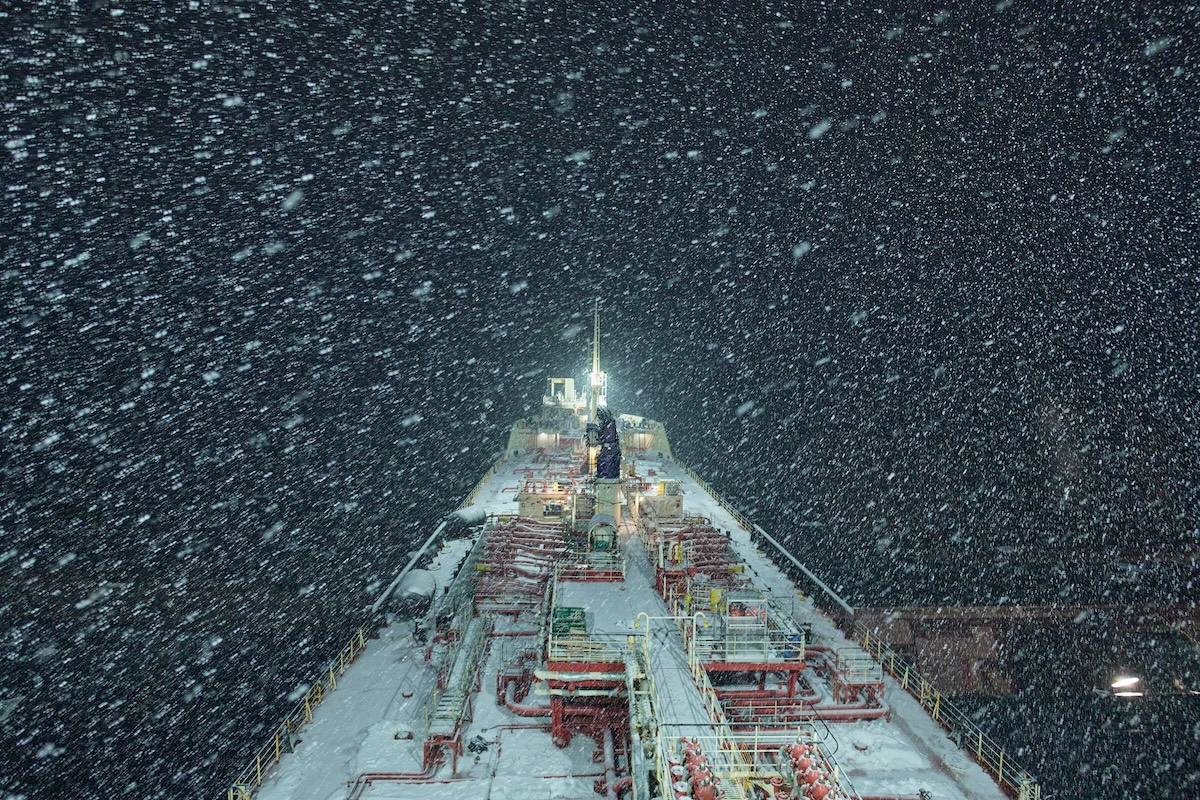
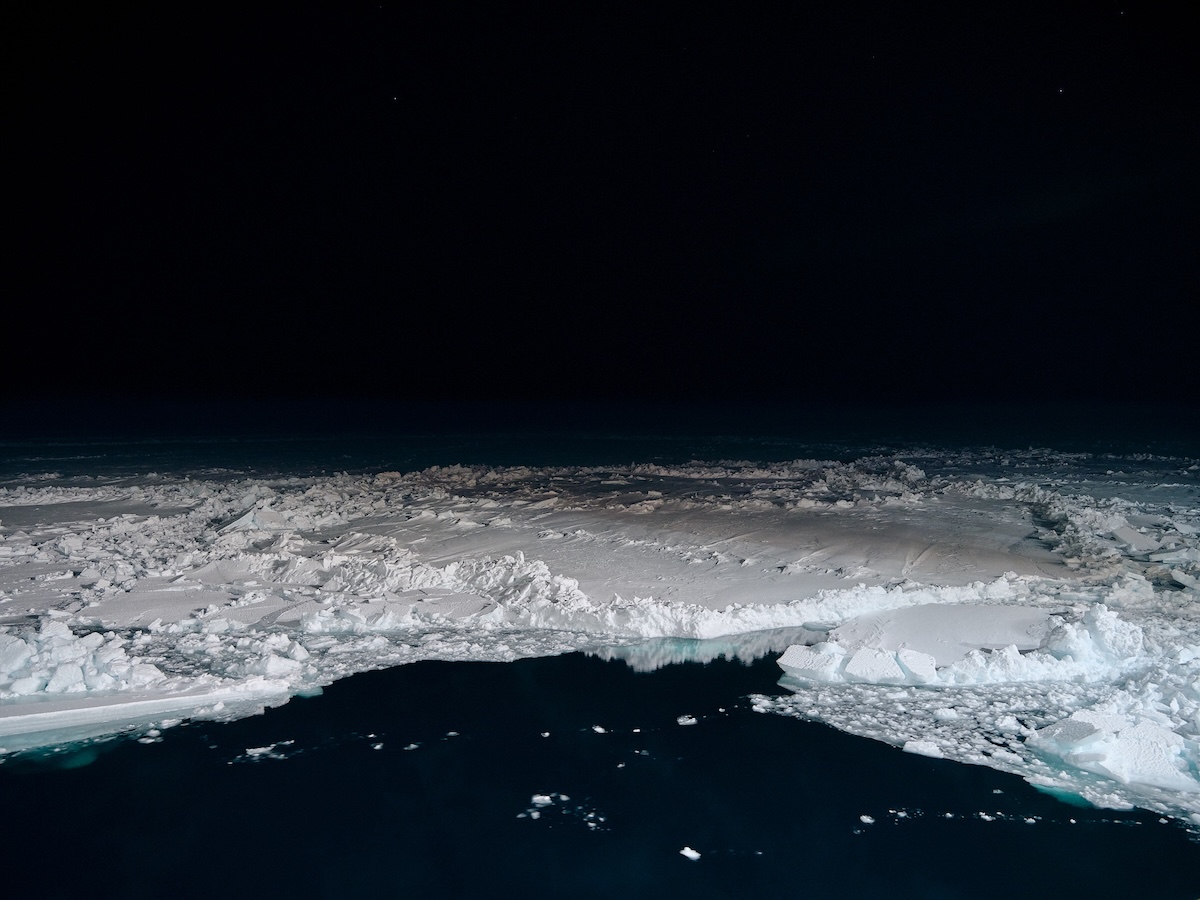
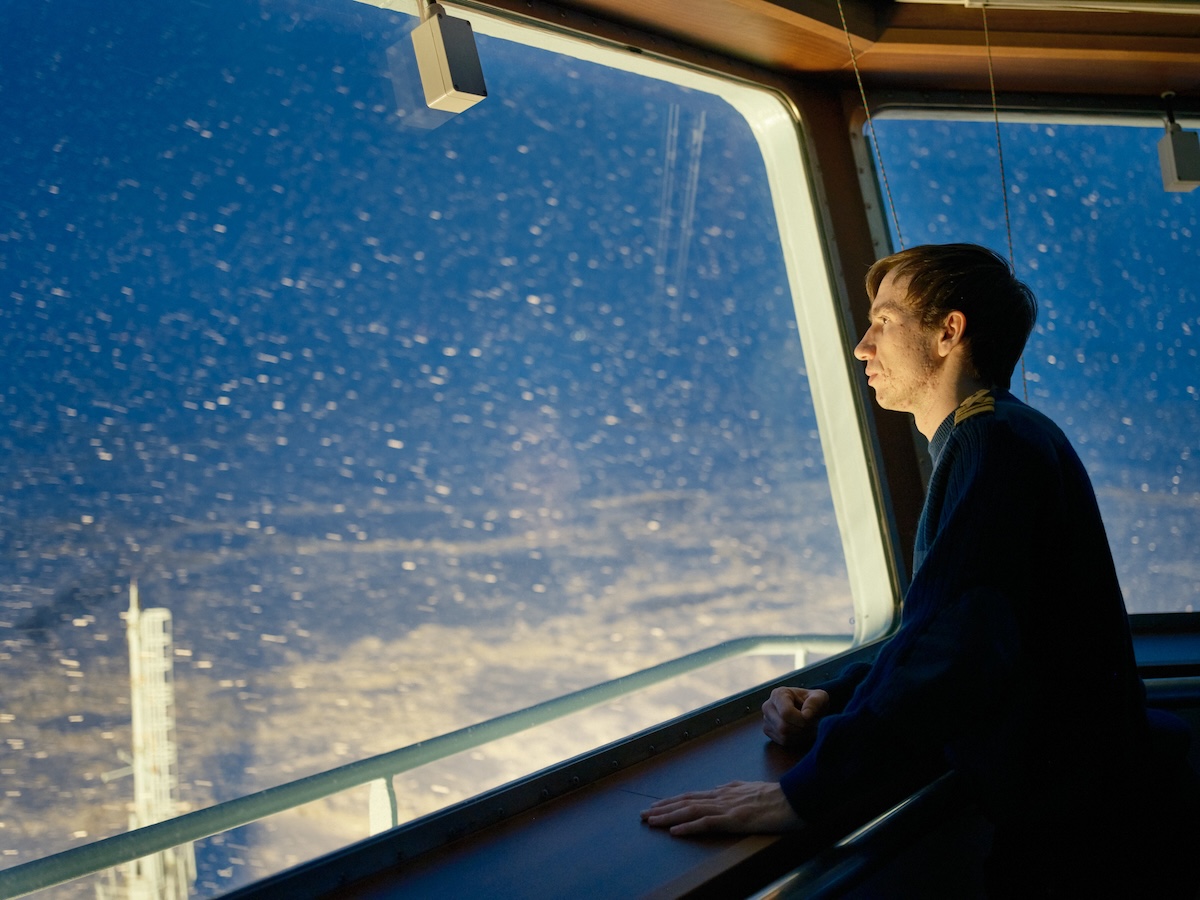
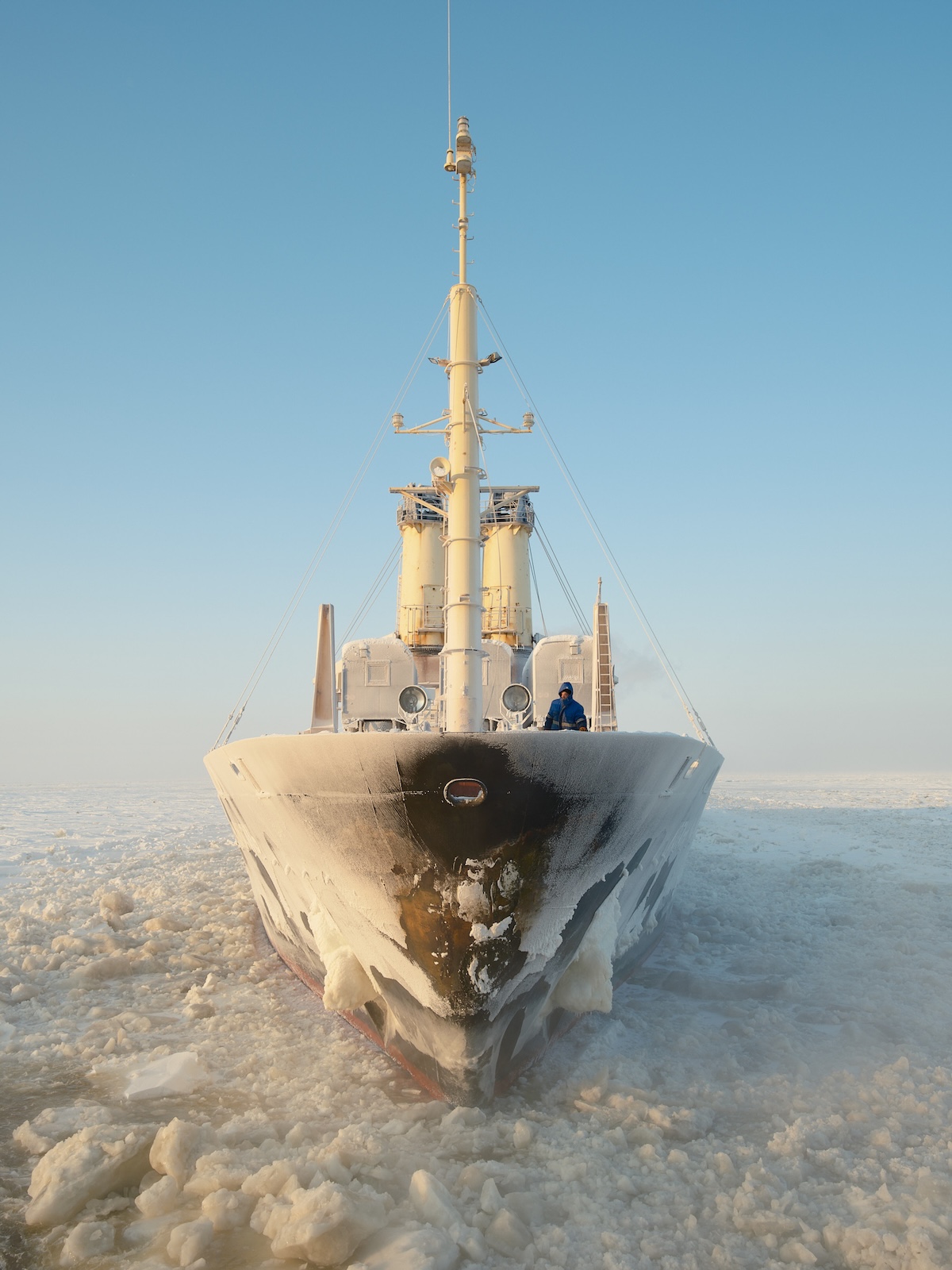
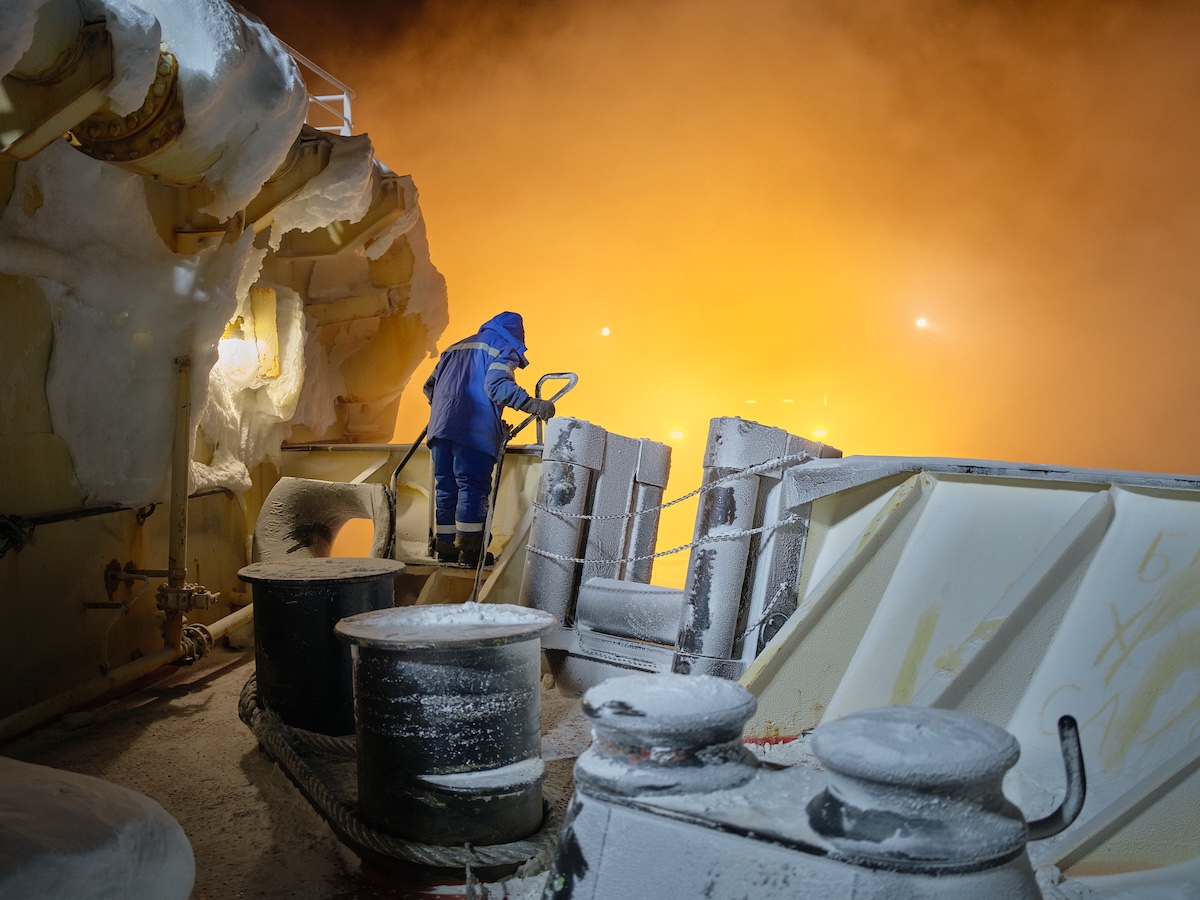
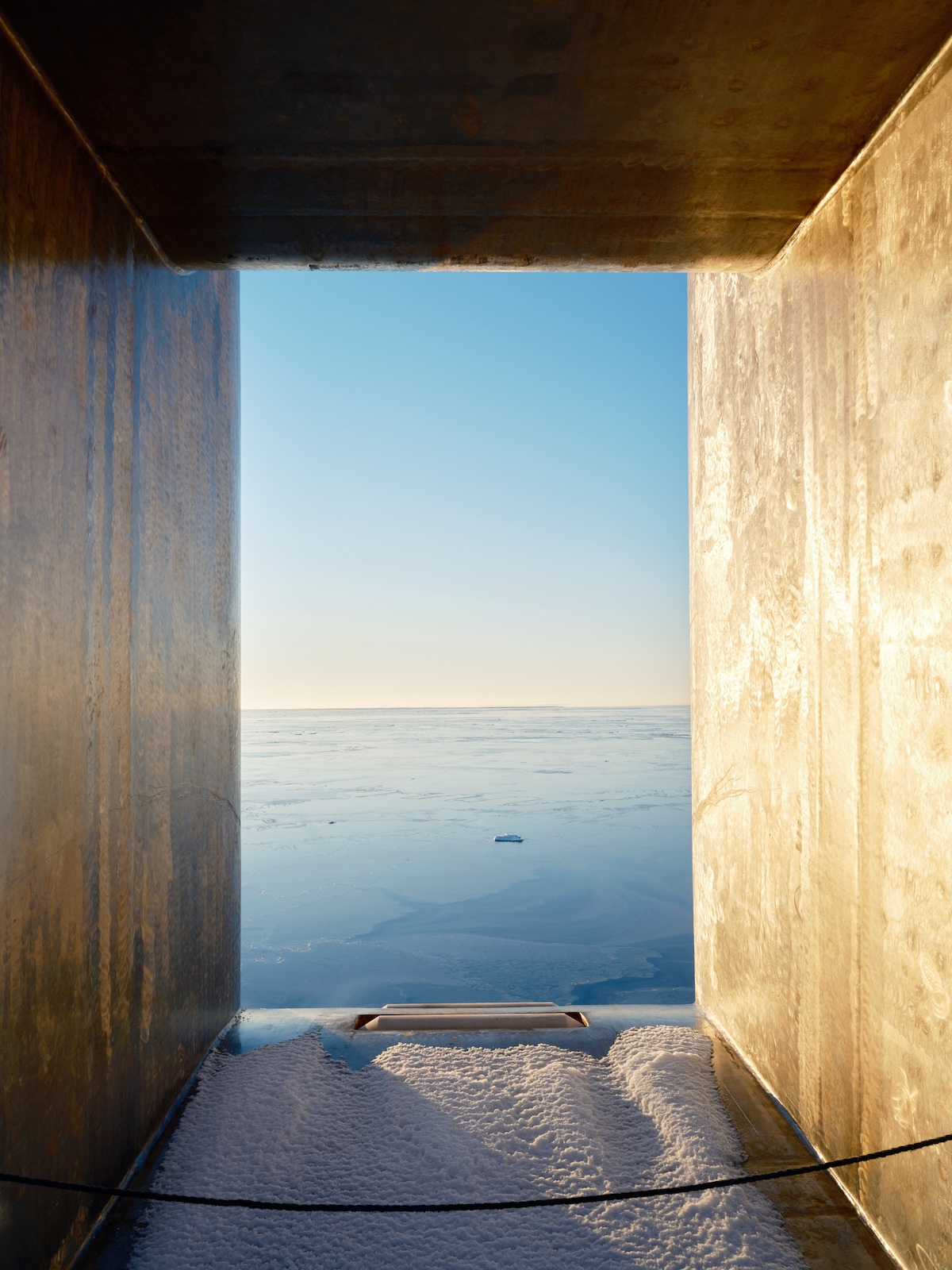
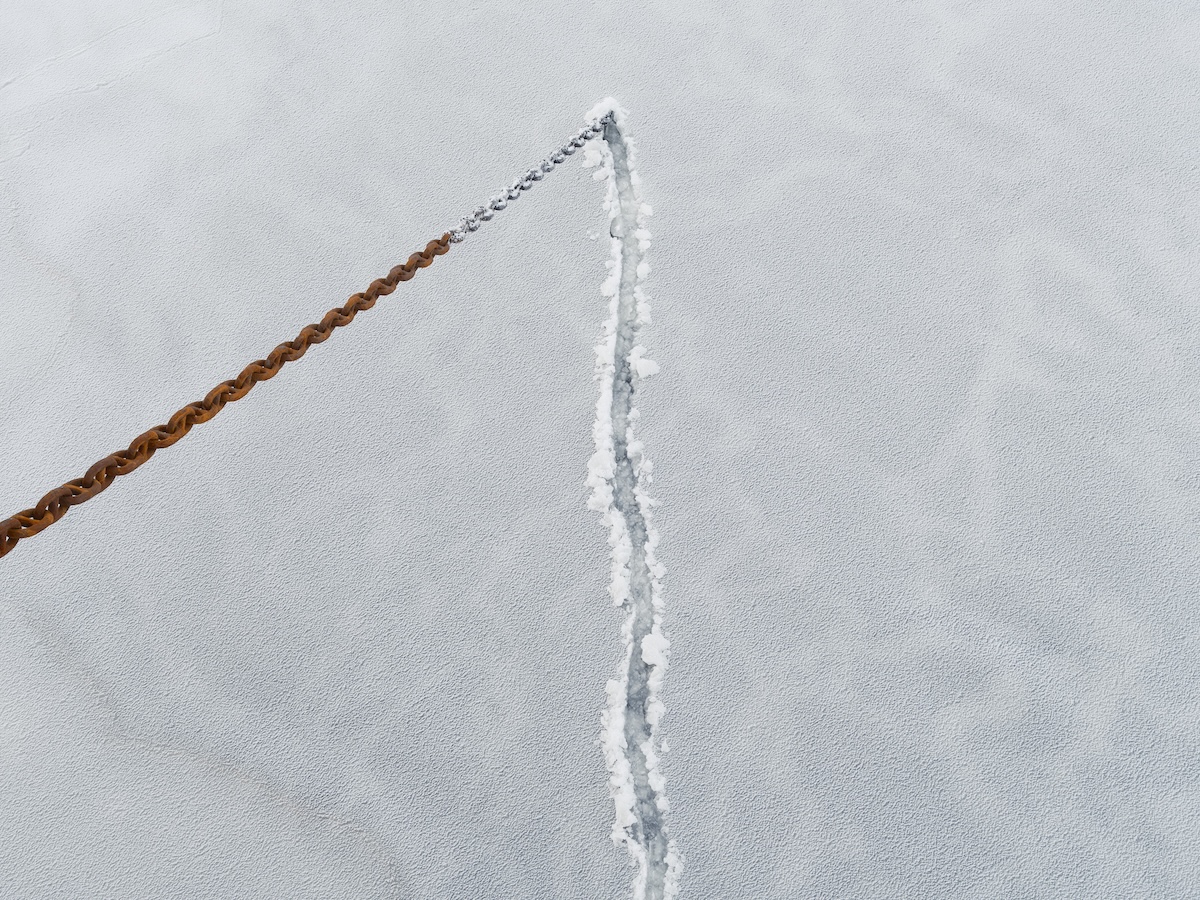
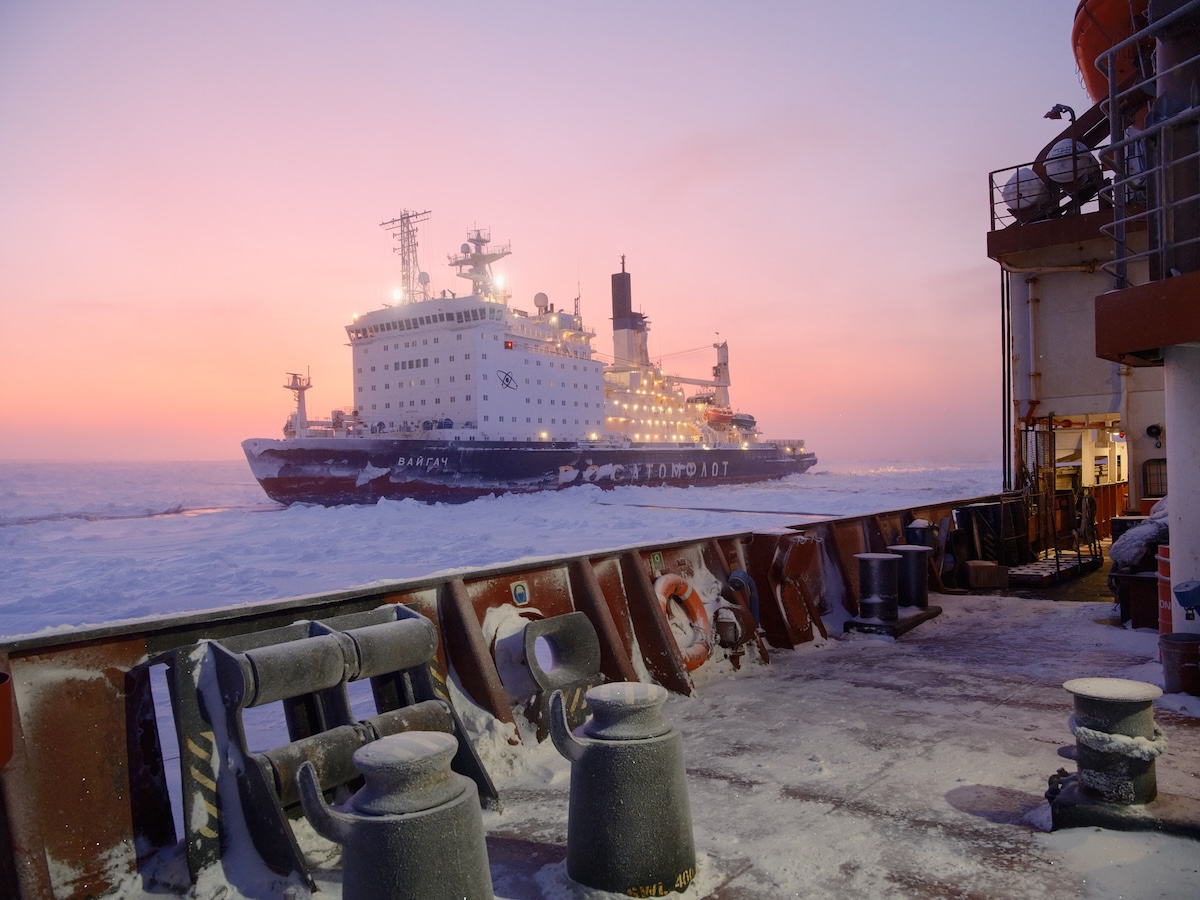
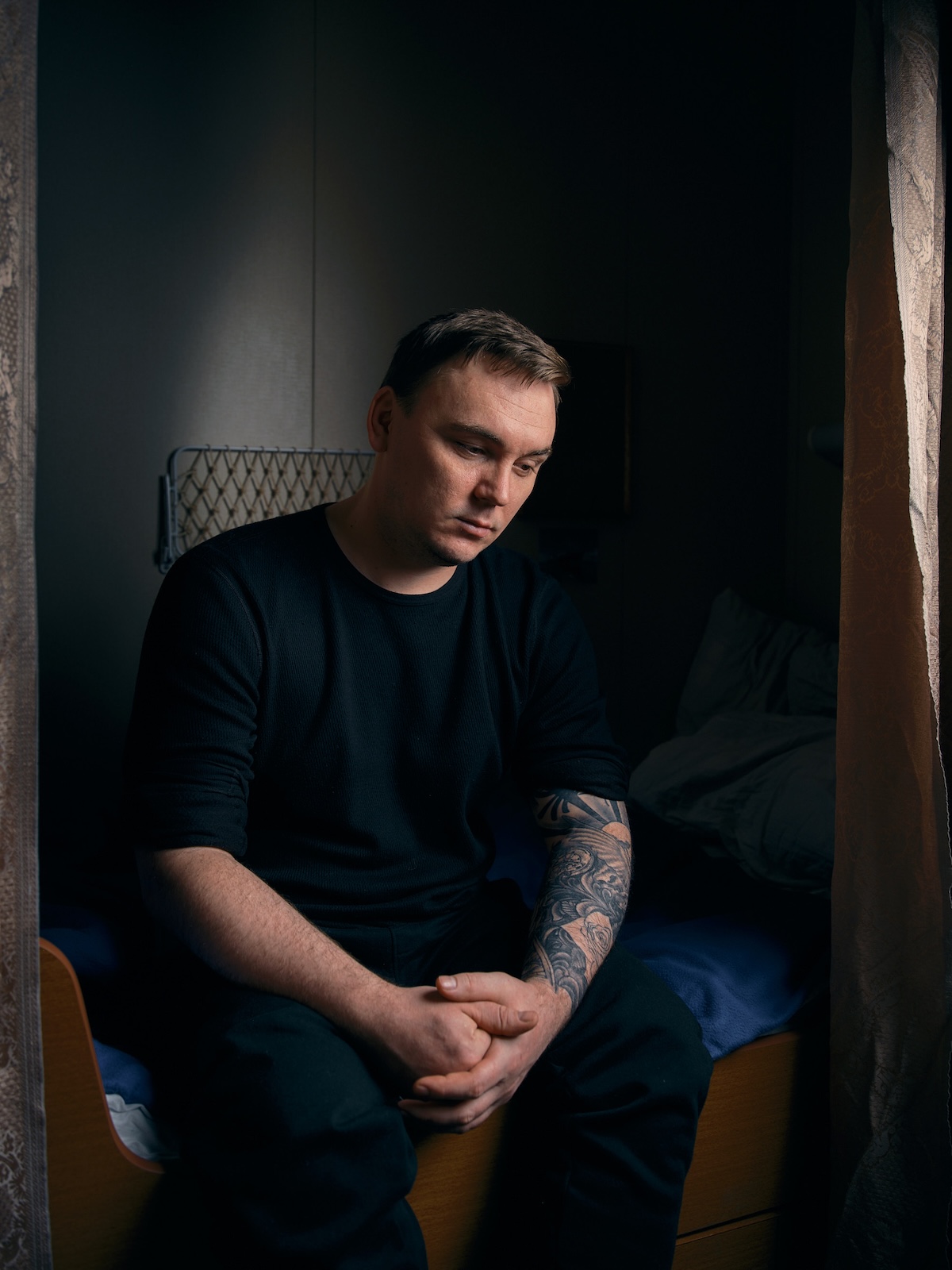
Through Xelot’s photographs, he wanted to explore this life frozen in white. “I wanted to show the poetry of these sailors sheltered in their ships, living in the great beauty of the Arctic, but also cohabiting with its harshness. There is a paradox between the inhospitable environment and the sometimes boring comfort of heated cabins.”
Despite the geographical isolation of these regions, people are connected, and the world's major events reach them. First, it was the Coronavirus that physically disrupted the work of Arctic sailors. Then, on 24 February 2022, the world changed: the war had begun. On board the ships, sailors of all ages and political persuasions rub shoulders, Ukrainians, Russians and Belarusians. Normally, cohabitation went well, and politics did not affect relations. But after 24 February, tempers flared, and the tension became palpable. Almost all the discussions revolved around the same subject, and the sailors quickly grouped by affinity of thought. Some, whose families were directly affected, sank into silence, while others belched, almost happy to see this war finally begin.
“During the months I spent on board various ships, I met some fascinating men, men of the sea. They shared their daily lives with me, both ordinary and extraordinary. I was able to feel the bite of the cold, eat good meals, burn my eyes on the infinite whiteness and play ping-pong, embrace the icy depths of the Arctic night and feel the relief of a warm bed in the middle of the ocean void.”
“I often think of them, of my friends who stayed on board. I think of our conversations, their hopes, their doubts and the great white we shared.” - Charles Xelot 2026
click to view the complete set of images in the archive

InstituteTM (collectively Institute Pictures, Institute Studios, & Institute Artist) is redefining how stories are produced and told in the 21st Century. Founded by Producer Frank Evers and Director/Visual Artist Lauren Greenfield, we are a multiplatform production company representing auteur-driven storytellers across commercials, photography, fine art, film, and technology — and producing original work across every screen that those stories live on. Our multiplatform expertise and established global relationships in entertainment, commercial, fine art, and journalism create unmatched reach and cross-pollination of creative work. A film commission informs a photography campaign; a fine art practice shapes a commercial; an editorial relationship opens a documentary. Few companies operate fluently across all of these worlds. Institute was built this way from the ground up.
Clients include: Apple, Google, Meta, Amazon, Microsoft/Xbox, LinkedIn, WhatsApp, Nike, Adidas, Lululemon, Under Armour, Dove, Maybelline, Clinique, Ulta Beauty, Aesop, Vaseline, LEGO, Balenciaga, Dior, Tom Ford, Kenzo, Supreme, Van Cleef & Arpels, Mercedes-Benz, Volvo, Toyota, McLaren, Pennzoil, American Express, Chase, U.S. Bank, Burger King, Chobani, Corona, Pepsi, Nespresso, Lavazza, Velveeta, Airbnb, Four Seasons, Marriott, Instacart, eBay, JCPenney, Levi's, Swatch, Bang & Olufsen, Bayer, Pfizer, Genentech, EA, Planned Parenthood, Ad Council, and the United Nations. Editorial and publishing partners include: The New York Times Magazine, The New Yorker, GQ, Esquire, TIME, Bloomberg, National Geographic, The Economist, Monocle, Le Monde, Stern, Sunday Times Magazine, Phaidon, Steidl, Abrams, Prestel, Chronicle, and Random House.
“Institute” is a registered trademark in the US, Europe, and United Kingdom. All rights reserved.